
Autoclave Not Heating? 11 Common Causes and Proven Fixes
Autoclave Not Heating in Vancouver Manual-Aligned Troubleshooting Guide
In a dental clinic, Autoclave Not Heating often gets summarized as “the heater died.” In manufacturer manuals, the explanation is usually broader: the sterilizer continuously checks whether what it measure, including temperature, pressure, time, and component status, stays inside defined limits, and it can issue warnings, stop the program, or abort the cycle when a limit is exceeded or a safety condition is unmet.
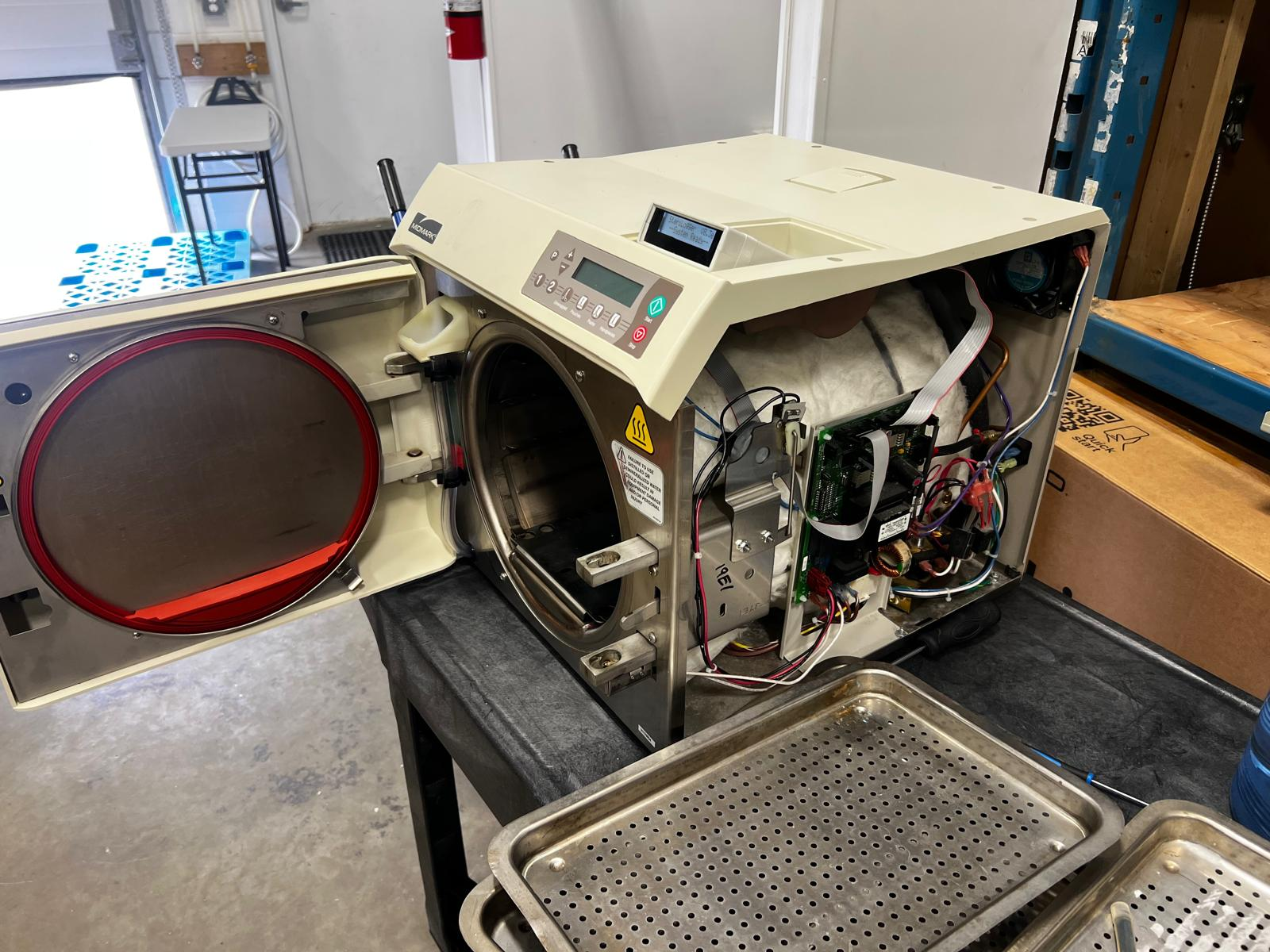
At BioDen in Vancouver, we treat Autoclave Not Heating as a controlled checklist. We start with checks clinic staff can do safely, including stable power, door closure and seal, and water supply. Only after the basics are confirmed do we escalate to measured diagnostics such as heater power path, heating element health, sensor feedback, control switching, and safety cutouts.
 –>
–>
Power, door seal, and water supply are checked before heater output, sensors, switching, and safety cutouts.
Will not start heating
Look for gating conditions such as door lock status, water detection, sensor plausibility, or a safety device interrupting the heater circuit.
Heats but never reaches temperature
Think power under load, steam leakage, restricted water delivery, or a weak out-of-spec heating element.
Heating comes and goes
Put thermal protection and safety devices higher on your suspect list, especially after back-to-back cycles.
Quick checks versus likely causes
This is the staff-safe triage table we use for Autoclave Not Heating calls. The goal is to quickly separate simple fix situations such as water level, door seal, and overloaded circuits from cases that need measured diagnostics such as heater output, sensors, and high-limits.
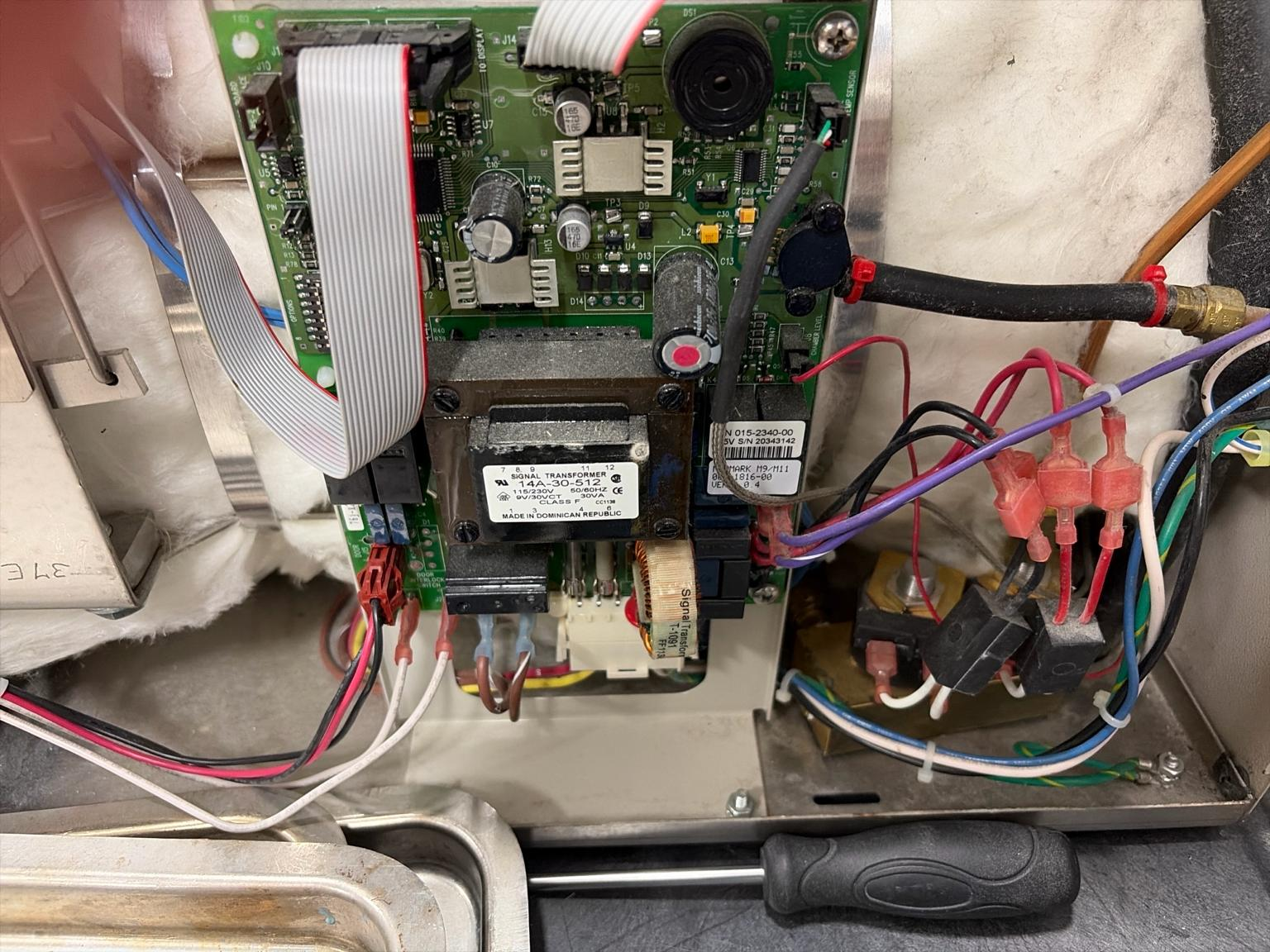
Verify stable power
Not just “screen on”Reboots, dim display, or breaker trips during warm-up.
Low line voltage, overloaded circuit, or power not reaching the heater circuit.
Reduce shared loads or move to a dedicated circuit. If repeatable, schedule electrical diagnosis of the heater power path.
 –>
–>
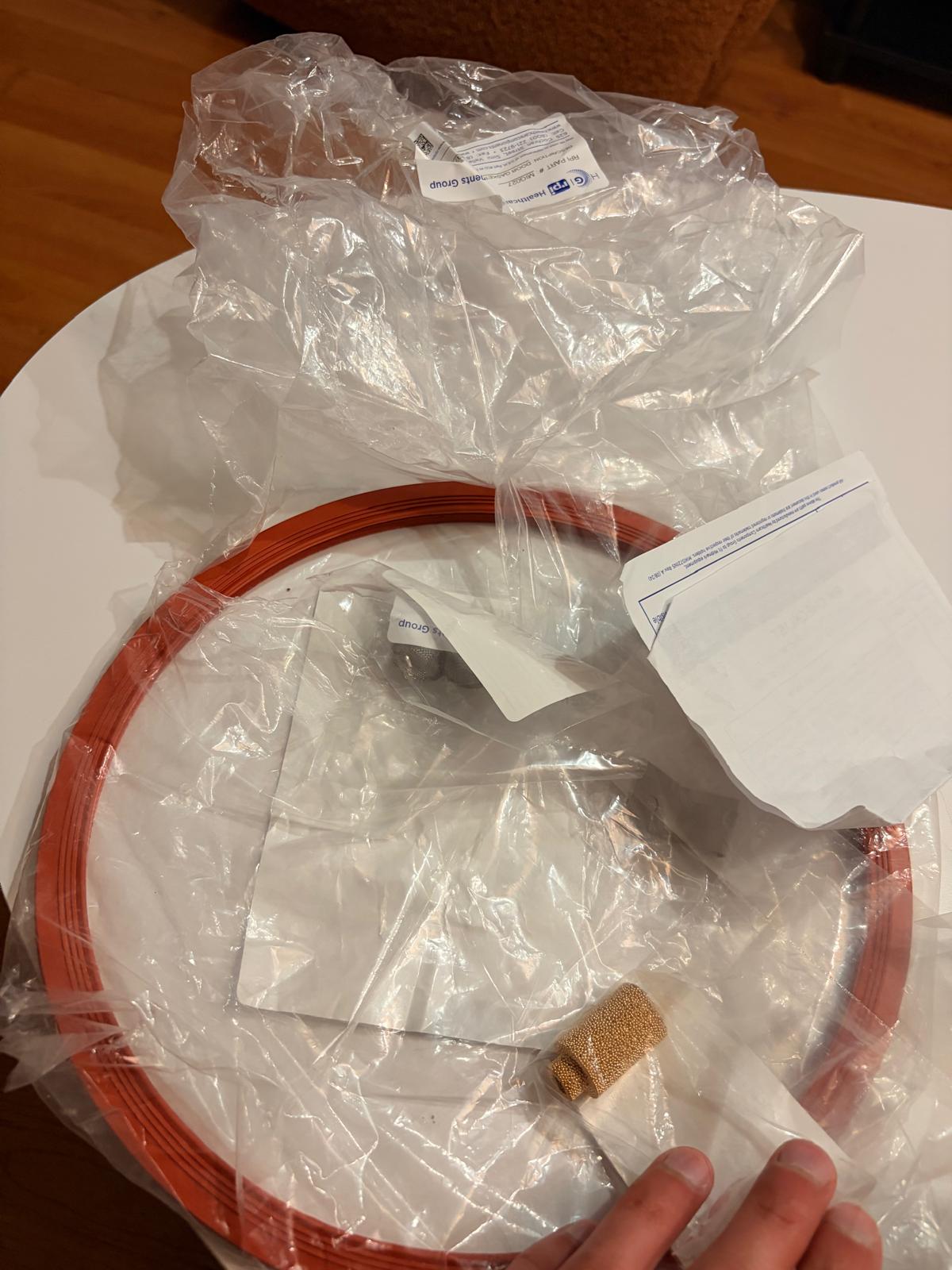
Confirm the door is fully closed
Door lock and sealDoor will not latch or lock, door unlock or door open behavior, or steam escaping at the door.
Door-closed condition not met, latch misalignment, or a worn or dirty seal.
Clean and inspect the seal, then re-seat and close. If it still will not lock or leaks persist, schedule interlock or seal service.
 –>
–>
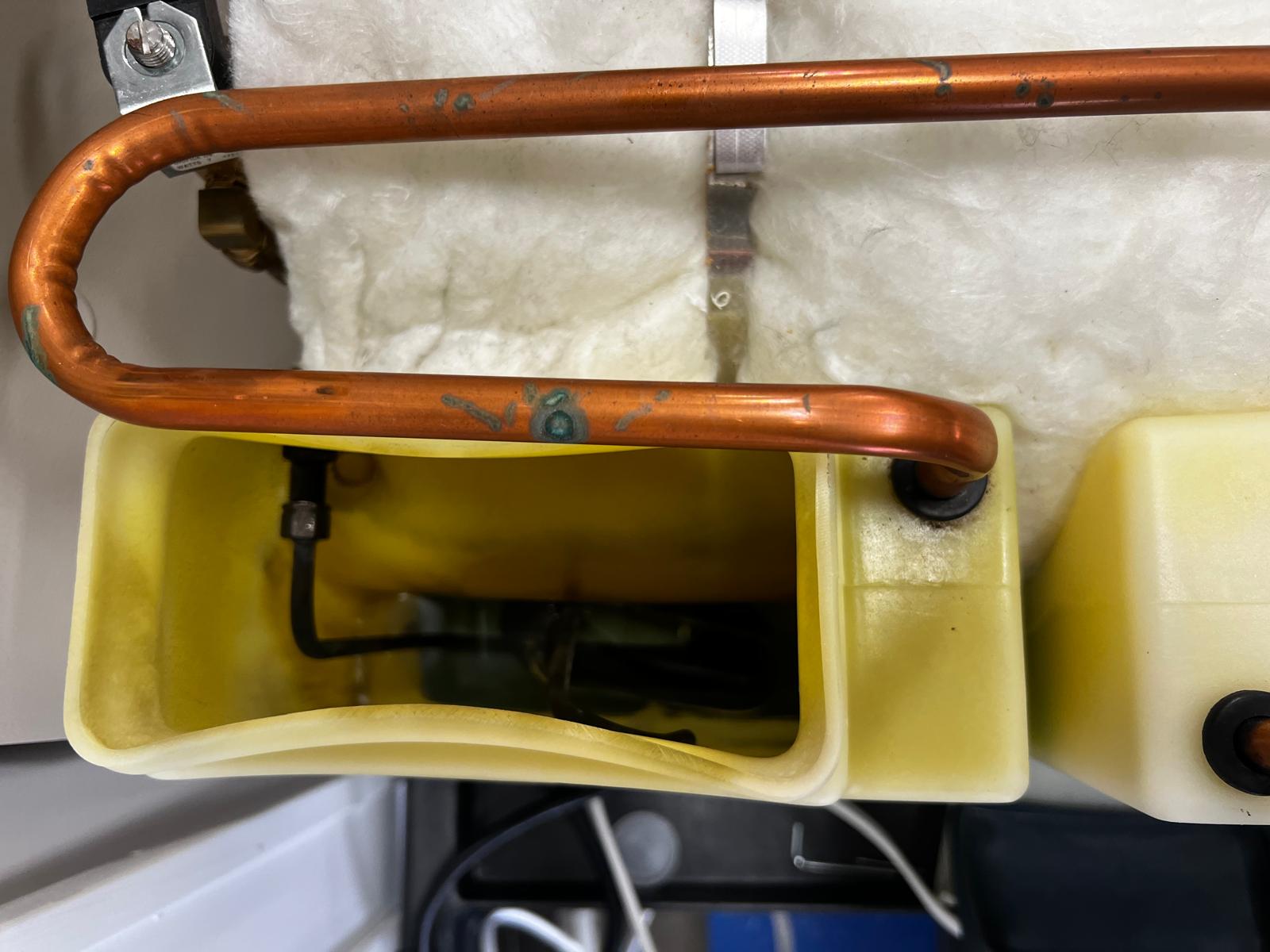
Inspect for steam leakage
From a safe distanceVisible steam at the gasket, valves, or fittings during heat-up.
Leak at the door gasket, valves, or fittings.
Stop the cycle. Leaks can mimic heating failure by preventing stable pressure and temperature.
 –>
–>
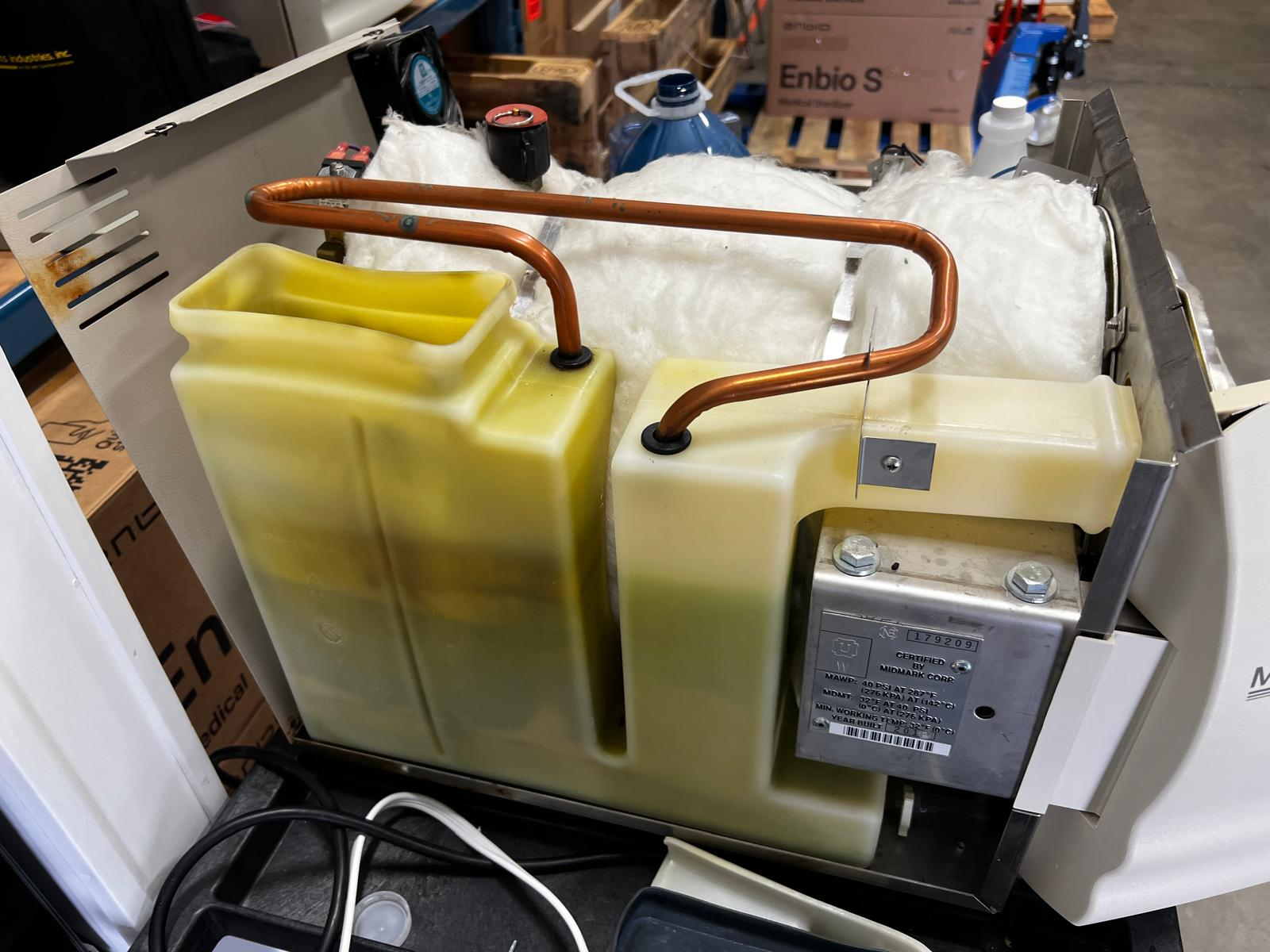
Confirm water supply and level
Reservoir and inlet pathLow Water, Low Temp, or repeated fill attempts.
Reservoir low, clogged water line or filter, dirty water electrode, or weak pump.
Refill with the correct water quality, clean and inspect per your manual, then rerun an unloaded test cycle.
 –>
–>
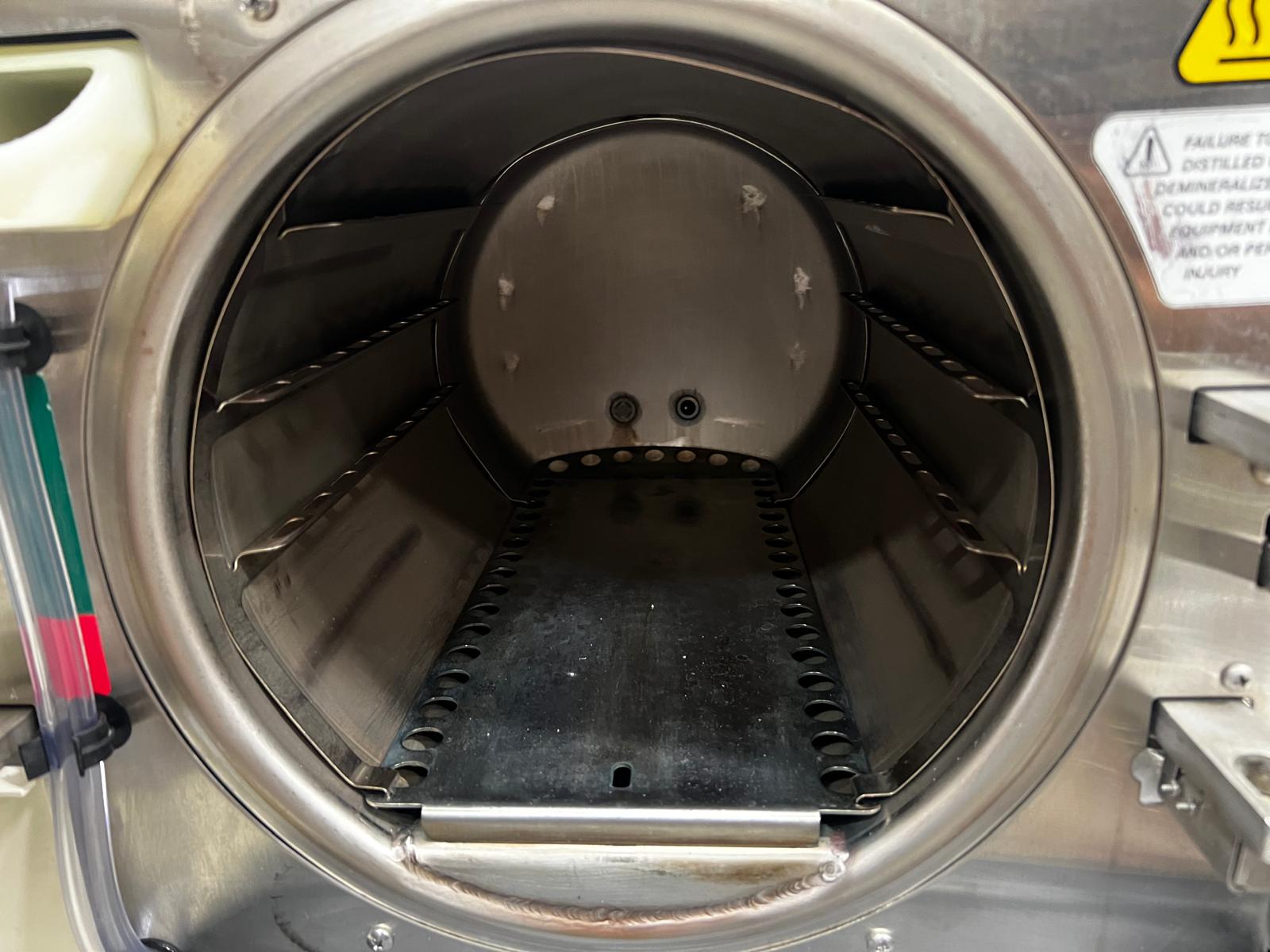
Run an unloaded test cycle
If allowed by your IFUEmpty chamber passes, but loaded cycle fails.
Overloading, load blocking steam circulation, or a marginal leak revealed under demand.
Reduce the load, arrange items for steam access, verify seal condition, and retest.
 –>
–>
Let it cool, then retry once
Intermittent heating clueWorks after cooling, but fails after consecutive runs.
High-limit cutout or thermal protection.
Improve clearance and ventilation, then schedule high-limit and heater circuit testing.
These clues reflect what manuals describe: low-heat problems tied to low line voltage or no power to heating elements; low-water and low-temp logic tied to electrodes, pumps, filters, lines, leveling, and leaks; and door-unlock behavior when the door is not properly closed or opens mid-cycle.
A safety first workflow for troubleshooting
Before you chase the cause behind Autoclave Not Heating, control risk. Manuals warn that opening the door after a program abort can release hot steam, and they emphasize that the load may be unsterile depending on when the cycle stopped.
A practical baseline for clinic teams is simple: if a cycle aborts and you are unsure whether sterilization and drying completed successfully, treat the load as unsterile, follow the sterilizer’s on-screen instructions, and reprocess according to your clinic policy and the device IFU.
Safe before sterile
Never assume instruments are sterile after an interrupted cycles. Follow the manufacturer’s instructions, allow the unit to cool when required, and reprocess the load whenever sterilization status cannot be confirmed.
Safe checks you can do without opening panels
These checks keep troubleshooting practical before any cover removal or the electrical testing. The goal is to confirm the safe prerequisites first, then decide whether the issue belongs to load setup, leakage, manual logic, or technician diagnostics.
Power check
If Autoclave Not Heating tends to appear as slow warm-up, do not stop at “it turns on.” Many manuals explicitly connect low-heat outcomes to low line voltage delaying heat-up, or to a condition where power is not reaching the heating elements.
Door and leak check
Verify closure and locking, then look for steam leakage from a safe distance. Manuals describe a door-not-closed condition at start, a fail reaction if the door opens, and the general safety principle that hot steam may be present after an abort.
Water check
Confirm reservoir level and the correct water quality for your unit, then watch for repeated filling attempts or low-water logic. Manuals describe low-water behavior during the inlet stage, multi-attempt fill logic in pump models, and causes that include dirty electrodes, clogs, leveling problems, stuck valves, and leaks.
Short troubleshooting timeline
Use this short timeline flow to keep troubleshooting consistent.
If any cover removal or electrical testing is required, follow service warnings: disconnect power before service procedures, and recognize that some diagnostic steps require powered testing with cover removed, meaning line voltage exposure risk.
What BioDen Does On Site When Basic Checks Do Not Clear the Fault
When a Vancouver clinic calls BioDen for Autoclave Not Heating, the objective is not simply to replace parts. We reproduce the symptom, identify exactly where the heating chain fails, and verify the repair by confirming proper cycle performance before the sterilizer returns to service.
The first step is confirming the exact failure mode and determining whether the problem appears only under a representative load or also with an empty chamber. Manufacturer troubleshooting procedures often rely on controlled validation tests because the stage at which the cycle fails provides important clues about the source of the heating problem.
The next question is whether the heating element is actually being energized. Diagnostic procedures include checking heater output from the control board while the sterilizer is requesting heat. Certain Midmark service procedures also briefly command the steam heater during diagnostic mode to verify that operating voltage reaches the heater while it is under command.
After the unit has been safely isolated from power and all components have cooled, BioDen checks heater resistance against the manufacturer’s published specifications before moving through the remainder of the safety circuit. When necessary, high limit thermostats and temperature sensing components are evaluated to confirm that their readings remain consistent with expected operating conditions.
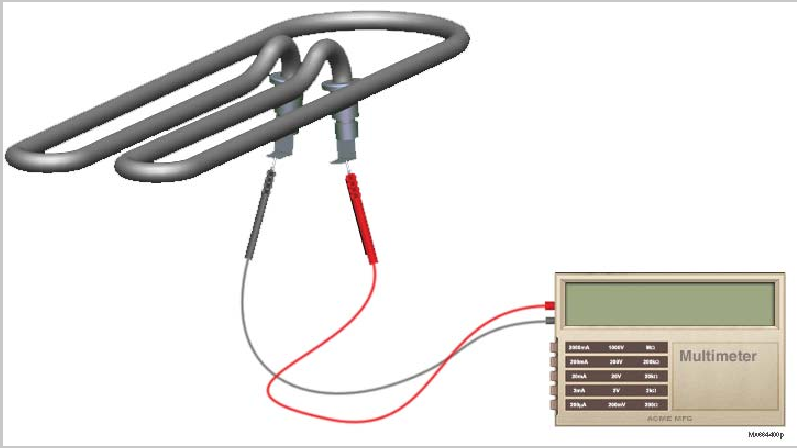
Components commonly inspected during diagnosis
Reproduce the complaint
Verify the exact point where heating stops and determine whether the symptom changes between an empty chamber and a representative clinical load.
Confirm heater command
Measure whether operating voltage reaches the heating element while the controller is actively requesting heat.
Evaluate the heating circuit
Inspect heater resistance, wiring integrity, connectors, relays, and protective devices after safe power isolation.
Verify the repair
Confirm stable heat-up, proper temperature control, and successful completion of the sterilization cycle before returning the unit to clinical use.
Brand Patterns That Help You Troubleshoot Faster
You do not need to memorize every platform to troubleshoot Autoclave Not Heating, but it helps to know what different design families surface clearly in the UI versus what appears mainly during service testing.
Message based clues
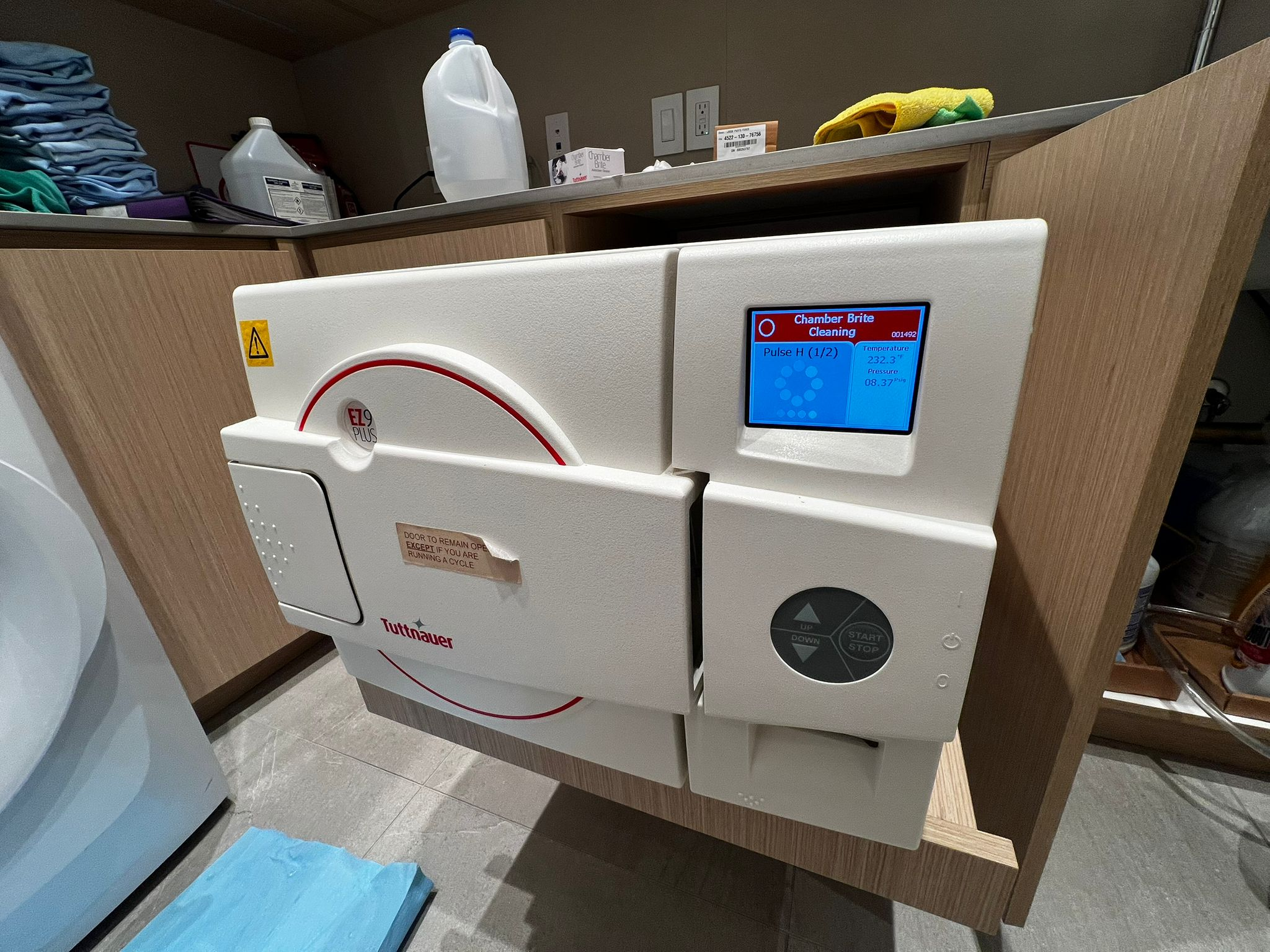
Tuttnauer operator manuals often define messages like “Low Heat,” “Low Temp,” “Low Water,” and door closed conditions with explicit causes, including low voltage, clogged water paths, dirty electrodes, and leaks.
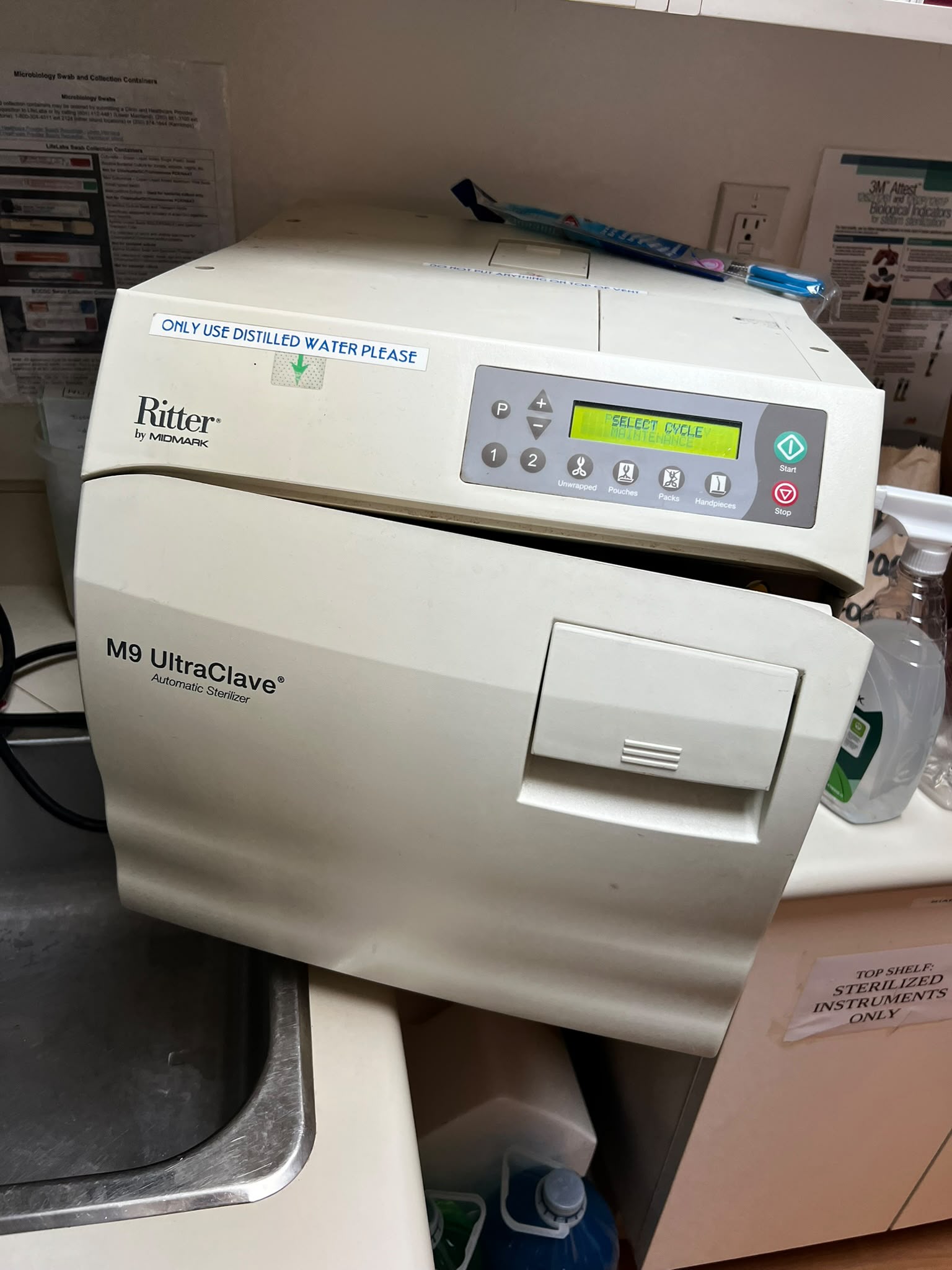
Measured electrical testing
Midmark service documentation tends to push diagnosis toward measurable tests: verify heater output at the board under load, confirm heater resistance, and confirm high limit continuity. That structure helps separate control and power path problems from true heater failure quickly.

Parameter monitoring
MELAG manuals emphasize parameter monitoring and threshold based warnings or aborts, which means the unit may stop heating as a protective response to sensor or control conditions rather than a burned out heater.
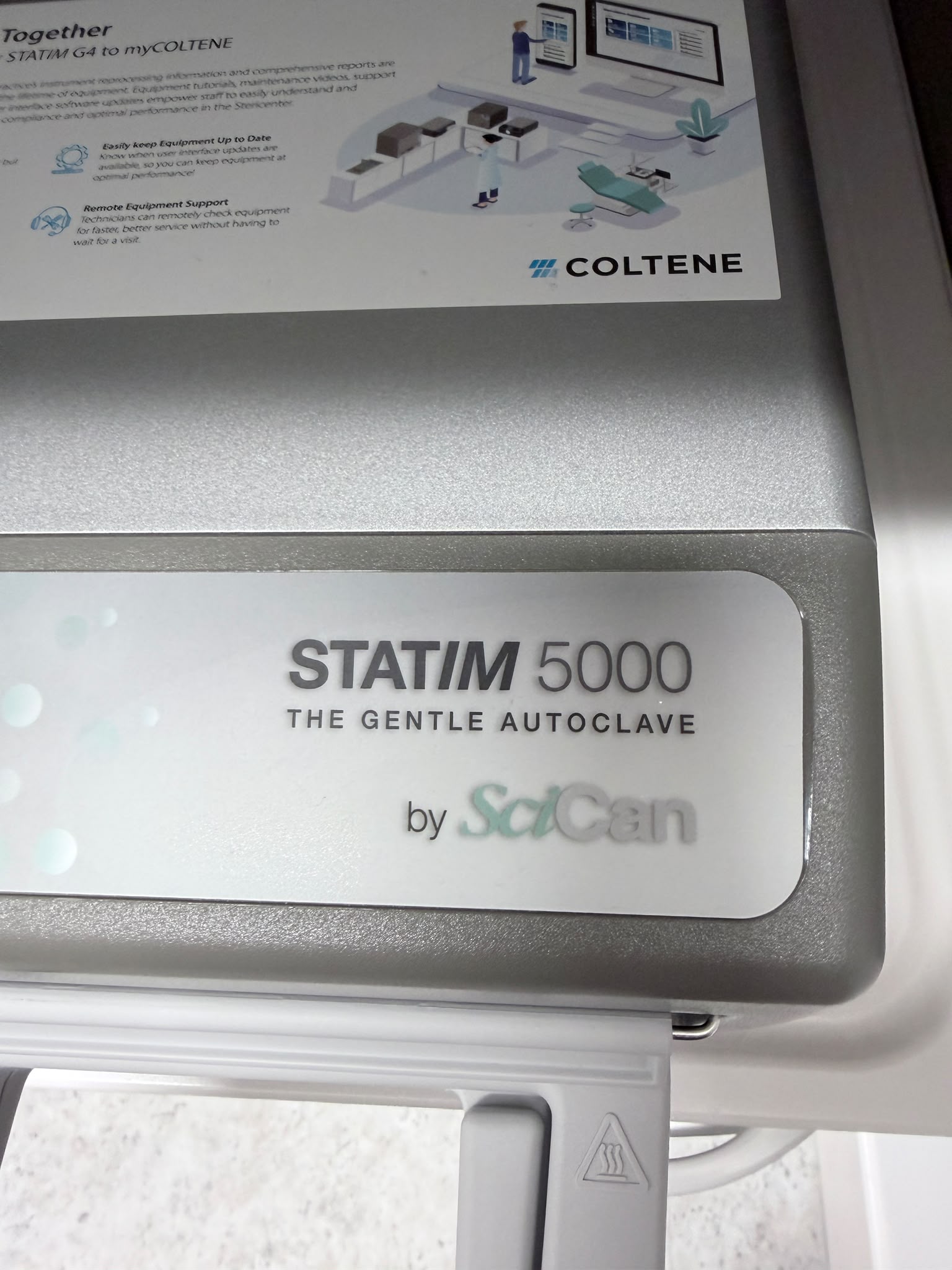
Seal and filter stability
SciCan documentation often highlights maintenance schedules for seals and filters on time and cycle intervals. Seal life and routine replacement directly influence leak performance and cycle stability.
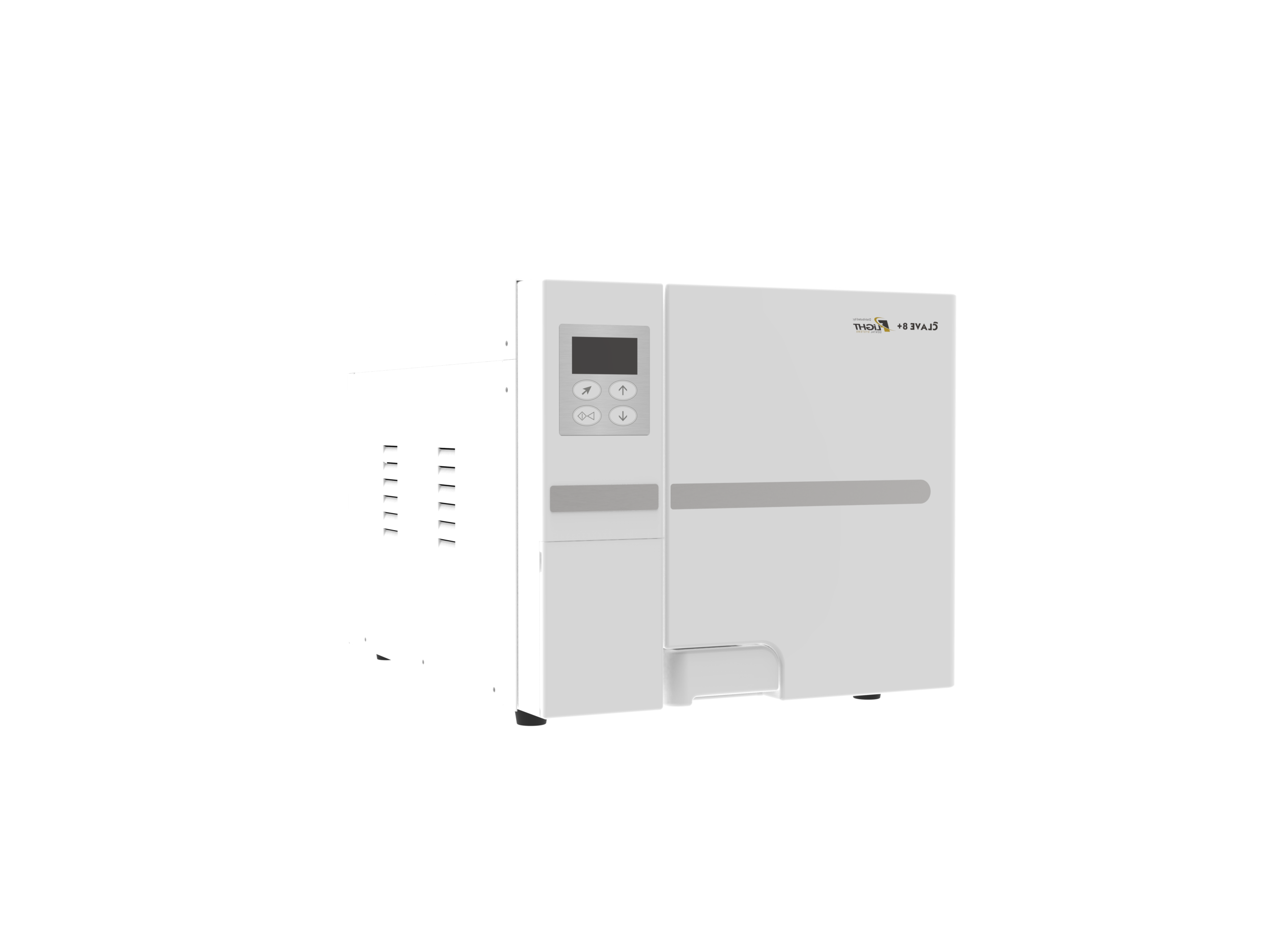
Cycle stage isolation
Flight autoclaves should be approached by isolating the cycle stage where heating fails, then checking water level, chamber sealing, heater demand, sensor feedback, and safety protection in a controlled sequence.
What BioDen Does On Site When Basic Checks Do Not Clear the Fault
When a Vancouver clinic calls BioDen for Autoclave Not Heating, the objective is not simply to replace parts. As part of our autoclave repair service in Vancouver , we reproduce the symptom, identify exactly where the heating chain fails, and verify the repair by confirming proper cycle performance before the sterilizer returns to service.
The first step is confirming the exact failure mode and determining whether the problem appears only under a representative load or also with an empty chamber. Manufacturer troubleshooting procedures often rely on controlled validation tests because the stage at which the cycle fails provides important clues about the source of the heating problem.
The next question is whether the heating element is actually being energized. Diagnostic procedures include checking heater output from the control board while the sterilizer is requesting heat. Certain Midmark service procedures also briefly command the steam heater during diagnostic mode to verify that operating voltage reaches the heater while it is under command.
After the unit has been safely isolated from power and all components have cooled, BioDen checks heater resistance against the manufacturer’s published specifications before moving through the remainder of the safety circuit. When necessary, high limit thermostats and temperature sensing components are evaluated to confirm that their readings remain consistent with expected operating conditions.
Components commonly inspected during diagnosis
Reproduce the complaint
Verify the exact point where heating stops and determine whether the symptom changes between an empty chamber and a representative clinical load.
Confirm heater command
Measure whether operating voltage reaches the heating element while the controller is actively requesting heat.
Evaluate the heating circuit
Inspect heater resistance, wiring integrity, connectors, relays, and protective devices after safe power isolation.
Verify the repair
Confirm stable heat up, proper temperature control, and successful completion of the sterilization cycle before returning the unit to clinical use.
Vancouver Case Examples and When to Call BioDen
These patterns are common across Vancouver clinics, with identifying details removed. Each case started with staff reporting Autoclave Not Heating, and each became easier to diagnose once the observed symptoms were matched to manufacturer troubleshooting logic.
Heat-up became slower during peak clinic turnover
A Vancouver clinic reported that the sterilizer entered the heating stage normally but took much longer than expected before ending with a low-heat message. Reproducing the problem showed voltage sag while the heater was under load. Manufacturer documentation lists low line voltage and loss of power to the heating elements as common causes of this failure pattern.
The empty chamber passed, but loaded cycles failed
Another clinic described the problem as “it warms, but never finishes.” An unloaded cycle completed, while a representative clinical load repeatedly failed. The final diagnosis involved load arrangement together with a door-seal leak that became significant only when steam demand increased.
Heating failed only after consecutive cycles
A third clinic experienced intermittent heating loss after several back-to-back sterilization cycles. After the unit cooled, the next cycle often completed successfully. The pattern was consistent with thermal protection interrupting heater power, and continuity testing confirmed that the protective device required service.
Some symptoms require measured diagnosis, not repeated test cycles
When to call BioDen
- Heating problems continue after confirming stable power, correct water supply, and proper door closure.
- Low Heat, Low Water, Low Temperature, or Door Closed messages continue to return.
- The unit requires heater-output testing, sensor verification, or safety-circuit diagnosis.
- Heat-up becomes slower over time or failure occurs only with representative clinical loads.
Call immediately if you notice
- Breaker trips or repeated electrical protection events.
- Burning odours, smoke, or visible electrical arcing.
- Repeated thermal shutdowns after consecutive cycles.
- Uncertainty about hot-steam hazards or whether an interrupted load can still be considered sterile.
Still Dealing With an Autoclave That Will Not Heat?
If your sterilizer continues showing Low Heat, Low Temperature, repeated heating failures, or stops completing sterilization cycles, BioDen provides professional on-site diagnosis, preventive maintenance, and repair for major autoclave brands throughout Metro Vancouver. Contact us today and speak directly with an experienced biomedical technician.