Frustrated With Equipment Downtime? Service Your Dental Equipment the Right Way
A Realistic Timeline for Servicing Dental Equipment Protect Your Patients and Practice
There’s no single rule for how often to service your dental equipment, but most manufacturers recommend annual servicing at minimum. Some devices, like suction systems and sterilizers, benefit from inspections every 6 monthsespecially in high volume clinics.
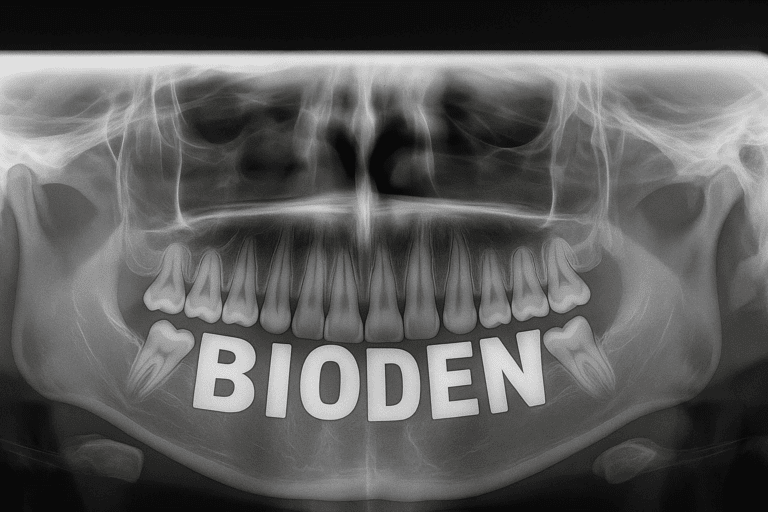
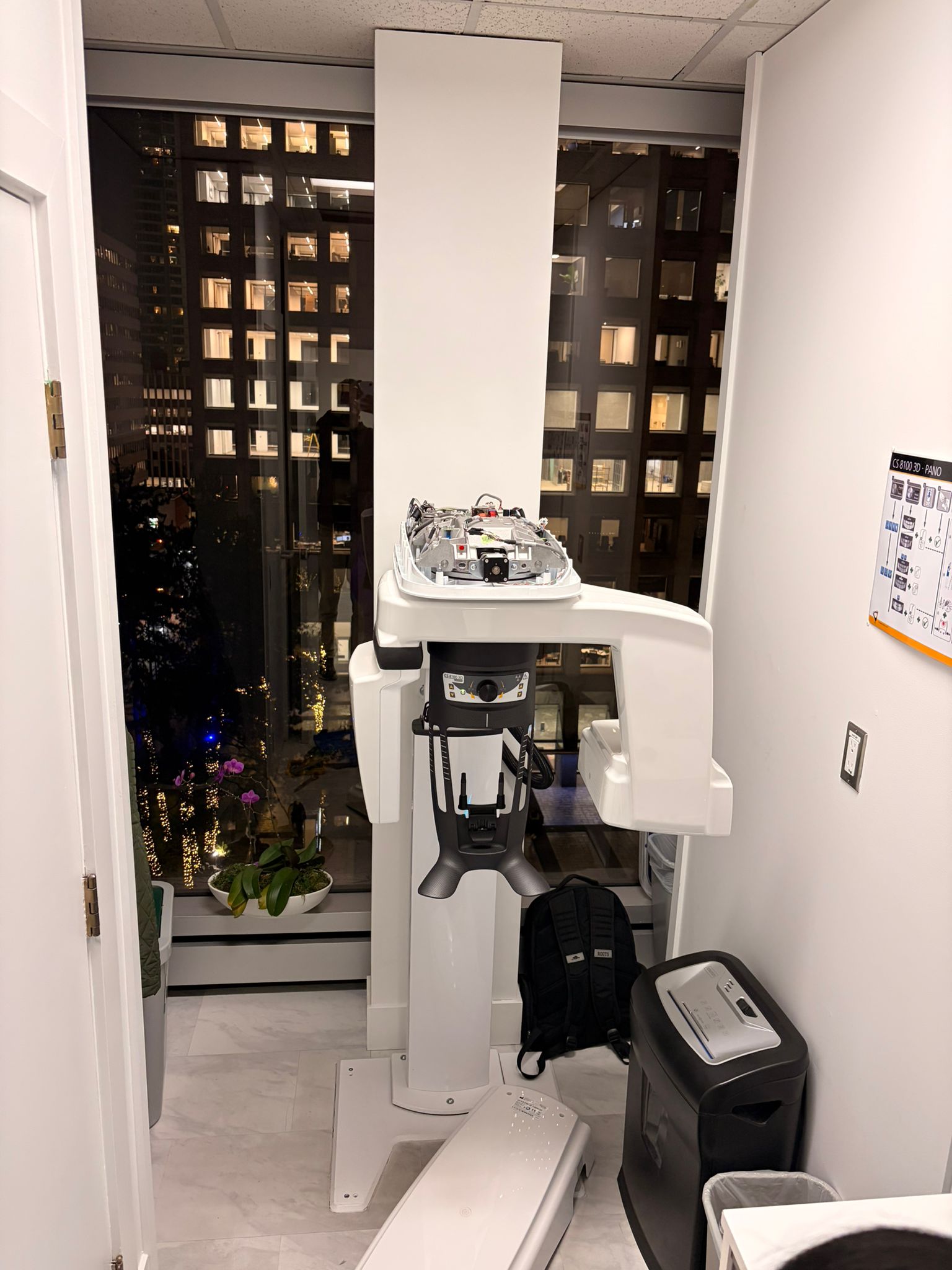
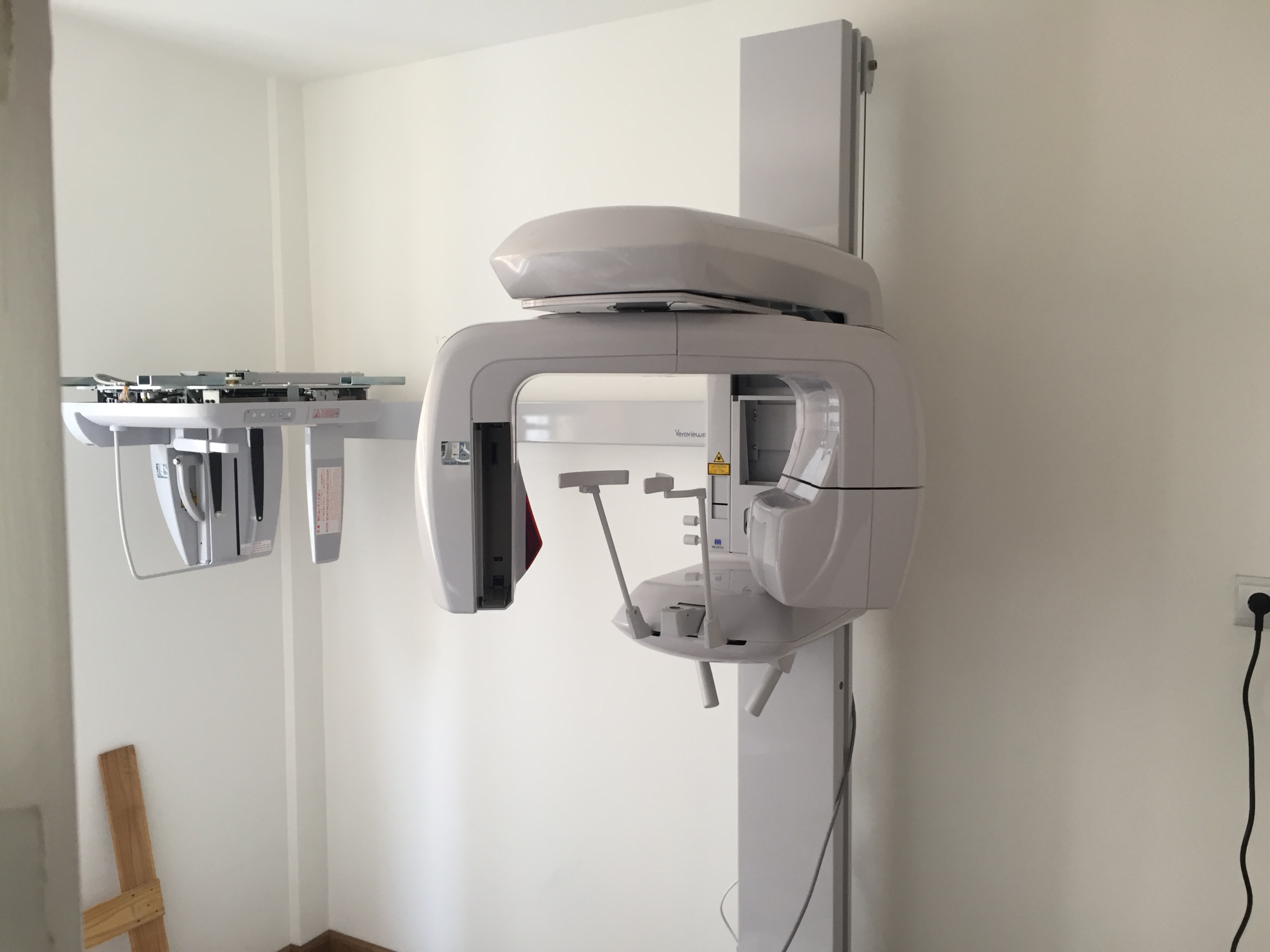
Dental chairs often go unchecked until something stops working. But early signs like squeaky joints or unresponsive foot pedals are your equipment telling you it’s time for a tune up. X-ray systems, whether CBCT, panoramic, or intraoral, should be professionally calibrated at least once a year to ensure proper radiation output and image clarity.
Autoclaves, which run multiple cycles a day, deserve extra attention. Even with daily cleaning and routine filter replacement, internal diagnostics, pressure testing, and professional servicing every 6 to 12 months keep them reliable.
As for handpieces? Daily cleaning and oiling is a great start, but it’s not enough. High speed and low speed handpieces should be professionally serviced every 6 months to ensure smooth performance and avoid turbine damage.
The Only Team You Need for Service
No need to coordinate with multiple companies. BioDen handles everything from dental chairs, lights, delivery units, and autoclaves to handpieces, suction systems, compressors, and X-ray machines. We service your dental equipment in Vancouver with speed, precision, and genuine care. Whether it’s a quick repair or full system maintenance, we do it all fast, local, and done right the first time. Let BioDen be your one trusted partner for all your equipment needs.
Is Your Dental Equipment at Risk? How Often is Enough?
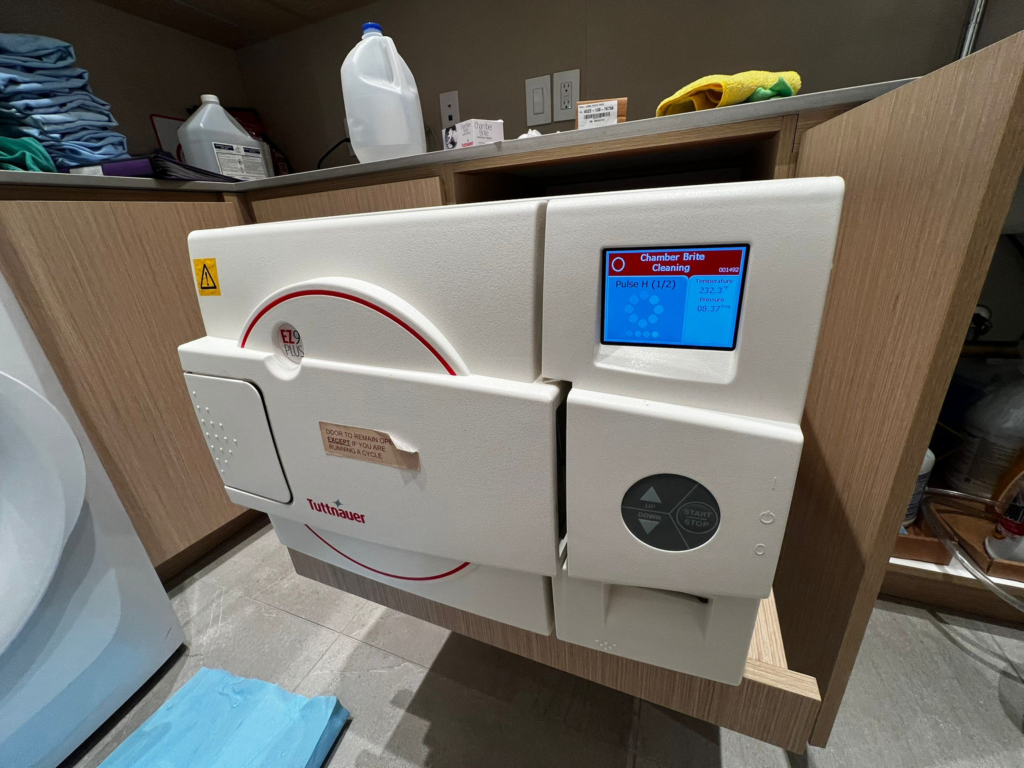
Below is a general guide for how often you should service common dental devices. Keep in mind, these are average recommendation heavy use or older equipment may require more frequent checks.Autoclaves and sterilizers are the heart of your infection control system. Keeping them in top shape is non negotiable for patient safety, so you must service your dental equipment in Vancouver with particular attention to your sterilization equipment. Autoclaves work under high pressure and temperature; if they’re not maintained, they can fail to sterilize instruments properly, putting patients at risk and potentially violating health regulations. Additionally, a malfunctioning autoclave can cause costly downtime if your only sterilizer goes out of service, you may have to pause seeing patients until it’s fixed or find alternative instrument processing methods.
Common problems from lack of servicing: One common issue is a worn or cracked door gasket. This can prevent the autoclave from sealing correctly, leading to incomplete cycles or steam leaks. Mineral deposits and debris can accumulate in the chamber and valves if regular cleaning is neglected, causing heating elements or sensors to malfunction. You might also encounter frequent error codes or cycle failures when an autoclave hasn’t been calibrated or tuned up in a long time. In worst cases, an old heating element or pressure valve might fail, which could be dangerous given the pressure inside these unit.
Signs it’s time for service: If your autoclave cycles start taking longer than usual or instruments come out wet when they should be dry, something is off. Any failed spore tests or biological indicator tests are urgent signs that you need to service the unit immediately. Look and listen for anything out of the ordinary, like a new rattling noise, an obvious steam leak around the door, or error messages on the display panel. Also note if the autoclave has trouble reaching or maintaining the set temperature and pressure that often means a technician should inspect it. When in doubt, err on the side of caution and service your dental equipment in Vancouver sooner rather than later , especially for sterilization tools.
Suggested maintenance frequency: Follow the manufacturer’s maintenance schedule closely. Typically, autoclaves should have daily and weekly care (such as cleaning the chamber, draining and refilling water, and cleaning filters) handled by your staff. In addition, schedule a comprehensive professional servicing at least once a year. During a yearly service, a technician will usually replace the door gasket, check heating elements and pressure valves, run calibration tests, and ensure that the sterilizer is achieving the necessary parameters for proper sterilization. Heavy use clinics or older autoclave models might benefit from biannual servicing. Keeping your sterilizers in peak condition through regular servicing means your clinic stays compliant with Vancouver’s strict health standards and, most importantly, keeps patients safe from infection.
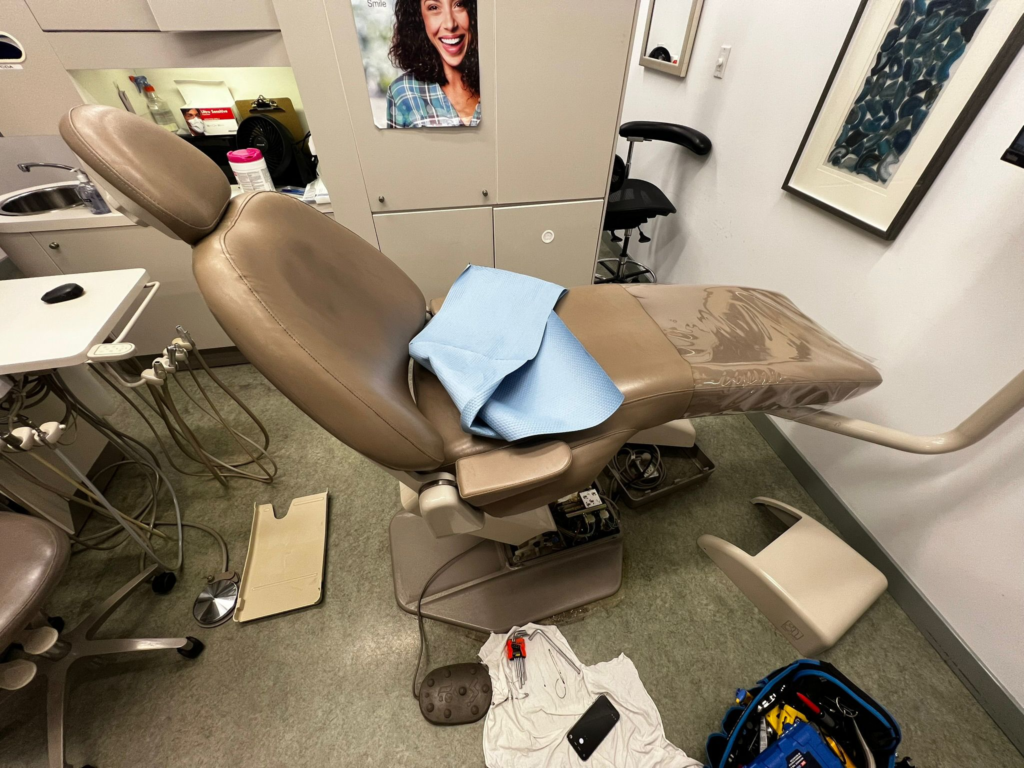
Dental chairs (and their attached delivery systems) form the backbone of patient care if a chair malfunctions, it can disrupt your entire day. That’s why one key way to service your dental equipment in Vancouver is to give your chairs regular attention. Over time, dental chairs face mechanical strain from constant adjustments, supporting patient weight, and repetitive motions. Without maintenance, they can develop hydraulic leaks, electrical issues, or mechanical failures that not only inconvenience your staff and patients but also pose safety risks.
Common problems from lack of servicing: Hydraulic system failure is a common issue if fluid levels are low or seals wear out this can cause the chair to drift or not hold position. Electrical problems, such as a faulty foot switch or a blown fuse, can render a chair unresponsive . Wear and tear can also lead to loud squeaking or grinding noises during chair movement, indicating parts need lubrication or replacement. Ignoring small issues like a minor oil leak can result in bigger failures, like motor burnout or a completely non functioning chair.
Signs it’s time for service: Pay attention to changes in your chair’s behavior. Is the chair moving slower than before, or jolting when it stops? Do you hear hissing, clicking, or unusual sounds from the base or the lift motor? These are clear signs it’s time to service your dental equipment in Vancouver by having the chair checked. Also look for visible indicators: fluid leaks under the chair, a sagging or wobbling chair base, or controls (buttons or foot pedals) that only work intermittently. Any of these issues mean a professional tuneup is needed soon.
Suggested maintenance frequency: Many manufacturers recommend a preventive maintenance check for dental chairs every six months safcodental.com. At minimum, aim for at least once a year servicing by a qualified technicianhagerdent.com. Regular servicing includes checking and topping off hydraulic fluids, tightening bolts, lubricating moving parts, and testing all functions and safety features. Between professional visits, your staff should also take care of chairs by daily cleaning, promptly reporting small issues, and performing basic upkeep (like replacing blown light bulbs or worn out upholstery). Routine care and professional maintenance will ensure your chairs remain safe, comfortable, and operational for years to come.
X-ray machines are critical for diagnosis and treatment planning, and it’s essential to service your dental equipment in Vancouver to keep them operating safely. An unserviced X-ray unit can develop calibration issues that result in poor image quality or inconsistent radiation output. Over time, components like X-ray tubes, sensors, or digital processors may wear out or drift out of alignment. If not addressed, you might end up with unclear radiographs or have to retake X-rays, unnecessarily exposing patients to more radiation.
Common problems from lack of servicing: Calibration drift is a big one images come out too dark, too light, or blurry when the unit isn’t calibrated regularly. Sensors and software can also become faulty or outdated without periodic checkup. In extreme cases, a neglected X-ray unit could fail to capture images altogether right when you need it.
Signs it’s time for service: Watch for warning signs like error messages on the X-ray unit’s display, longer processing times, or images that aren’t as sharp as they used to be. Unusual sounds or excessive heat from the X-ray tube head during operation can also indicate something is wrong. If staff report needing multiple attempts to get a clear image, it’s definitely time to service your dental equipment in Vancouver and have the X-ray unit inspected and calibrated.
Suggested maintenance frequency: Most dental X-ray equipment should undergo a professional maintenance and calibration at least annually. In British Columbia, regular inspections help ensure compliance with safety standards, so yearly service is both a best practice and often a regulatory expectation. Between professional check ups, keep the X-ray unit clean and dust free, and have your team perform quick functionality tests (for example, verifying image clarity) on a routine basis. Consistent care and timely servicing of your X-ray machines will ensure they produce diagnostic quality images and operate within safe parameters.
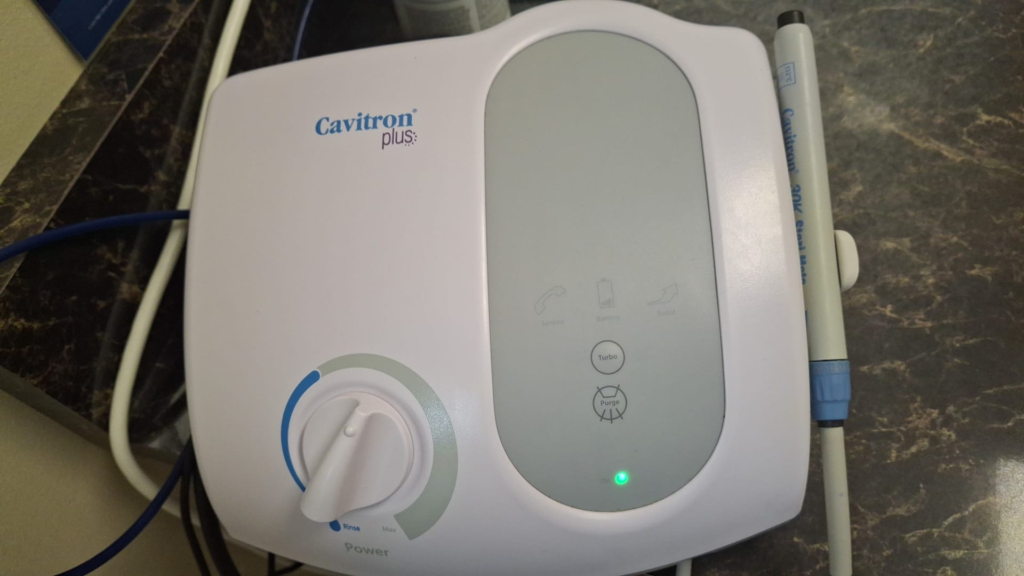
Suction systems are the lifeline of any dental practice, responsible for keeping the field clear during procedures. When you service your dental equipment in Vancouver, suction maintenance should be high on the list. Lack of proper servicing can lead to weak suction power, unpleasant odors, or even system failures. Common problems from lack of servicing: Filters and traps clog with debris, biofilm buildup in the lines causes foul smells, and vacuum pumps may overheat or burn out. If the suction system isn’t maintained , your staff might find themselves unable to keep a dry field, leading to procedure delays and patient discomfort. Ultimately, these suction problems are preventable you just need to service your dental equipment in Vancouver on a regular schedule to keep suction performance strong.
Signs it’s time for service: You might notice your suction losing strength or making strange noises. A persistent bad smell emanating from the hoses is another red flag that it’s time to service your dental equipment in Vancouver ( in this case, the suction lines likely need cleaning). Additionally, if the suction motor frequently overheats or you find moisture pooling around the pump, professional attention is overdue.
Suggested maintenance frequency: To avoid suction downtime, flush and clean suction lines daily or weekly as advised by the manufacturer, and replace or clean filters routinely. Plan for a thorough professional servicing of your vacuum pump and suction system at least once a year. For busy Vancouver clinics with heavy patient flow, consider a biannual (every 6 months) checkup to ensure your suction systems remains reliable. Regular maintenance will keep suction strong and prevent unpleasant surprises in the middle of a procedure.
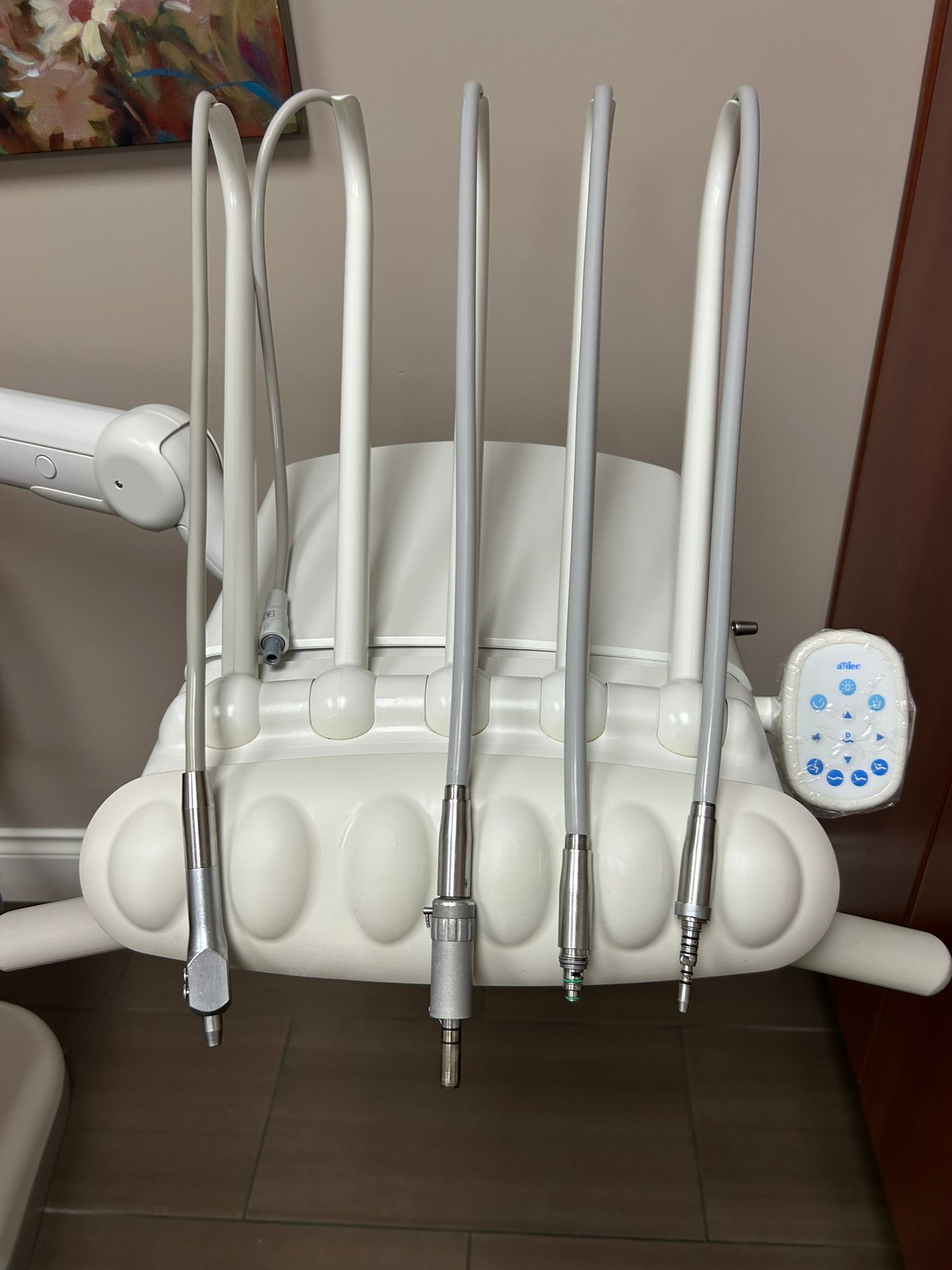
Dental handpieces, like high speed drills and polishers, might be small, but they absolutely require regular maintenance as part of how you service your dental equipment in Vancouver. These precision instruments run at thousands of RPM and are used on every patient, so even minor performance issues can affect your work. Neglecting handpiece maintenance leads to more frequent breakdowns and can even pose cross infection risks if the internal components aren’t properly cleaned.
Common problems from lack of servicing: Without proper cleaning and lubrication, handpieces can overheat, making them uncomfortable or unsafe for patients. Internal parts like bearings wear out faster if not cared for, resulting in that dreaded high pitched squeal or grinding noise during use. You might also experience reduced torque the handpiece struggles to cut or keep up speed, which can prolong procedures. In some cases, a poorly maintained handpiece can suddenly stop in the middle of a procedure, which every dentist wants to avoid.
Signs it’s time for service: Most dental office have a daily routine for cleaning and oiling handpieces, but beyond that, pay attention to performance. If a handpiece feels less powerful than before or starts to chatter and vibrate in your hand, it’s likely due for servicing. Excessive heat is another warning sign a handpiece that gets too hot too quickly could injure a patient or damage the tooth being worked on. Also listen for unusual sounds (any new rattling or whining noise). When these issues crop up, it’s time to include these tools when you service your dental equipment in Vancouver and possibly send the handpieces out for refurbishment or have a technician service them on site.
Suggested maintenance frequency : Handpieces require very frequent routine maintenance by staff typically after each use or at least daily, they should be cleaned externally, internally flushed, and lubricated according to manufacturer guidelines. Beyond that, plan for a professional handpiece servicing on a regular schedule. Many dental practices have their high speed handpieces overhauled every 6 to 12 monthshagerdent.com, depending on volume of use. For example, a busy Vancouver clinic drilling dozens of cavities a week might opt for six month intervals to replace worn bearings and O-rings, whereas a smaller practice might manage with annual servicing. Remember that investing in regular maintenance of handpieces (like those from NSK or other top brands) extends their life and ensures they perform at their best for every patient.
As a local company, BioDen is proud to help service your dental equipment in Vancouver, offering prompt on site support and preventive maintenance plans tailored to your clinic’s needs.
Not Sure Where You Stand? We’ve Got You.
If you’re unsure when to service your dental equipment next, that’s okay. Most clinics don’t have a written maintenance schedule and that’s exactly why BioDen exists.
We offer a free first diagnostic visit anywhere in Vancouver. One of our trained technicians will assess your equipment, let you know what’s in good shape, what might need work soon, and what needs immediate attention (if anything) . There’s no pressure and no obligation just honest advice from people who know this equipment inside and out.

Ready to Protect Your Equipment and Your Time?
Looking a check up is simple. Whether it’s your sterilizer, dental chair, handpiece, suction system, or X-ray unit, we’ll make sure everything’s working the way it should.
We proudly service all major brands including NSK , KaVo, Flight dental, Bien Air, W&H, Kerr Endodontics, Coltene, Parkell, Diadent, EDS, Morita, Yoshida Sirona, Planmeca, Carestream, Vatech, Dexis, Air Techniques, Acteon, Midmark, Owandy and many more.
Let BioDen help you service your dental equipment the right way before it ever becomes a problem.

ready to keep your Clinic running? contact us for Fast Dental Equipment Repair Vancouver
At Bioden, we provide expert dental equipment repair and maintenance services in Vancouver and across British Columbia. Our team handles everything from handpiece and dental chair repairs to X-ray unit maintenance and more. Trusted by clinics across the region, we’re committed to fast, reliable, and professional support for all your dental equipment needs.