Revolutionize Your Dental Practice with This Powerful Intraoral Scanner Solution
Why Every Smart Dental Clinic Is Switching to Intraoral Digital Scanners (and Why You Should Too)
Dental impressions have long been one of the least enjoyable parts of a dental visit for both clinicians and patients. Traditional trays, impression materials, and retakes slow down workflows and often lead to discomfort. Today, many forward thinking clinics are moving toward a more efficient and patient friendly solution
This shift is not about chasing trends. Clinics are adopting because it solves real, everyday problems accuracy issues, remakes, workflow inefficiencies, and patient dissatisfaction. In this post, we’ll explain why the intraoral digital scanner has become a practical tool in modern dentistry and how it’s reshaping daily clinical operations.
What Is an Intraoral Digital Scanner?
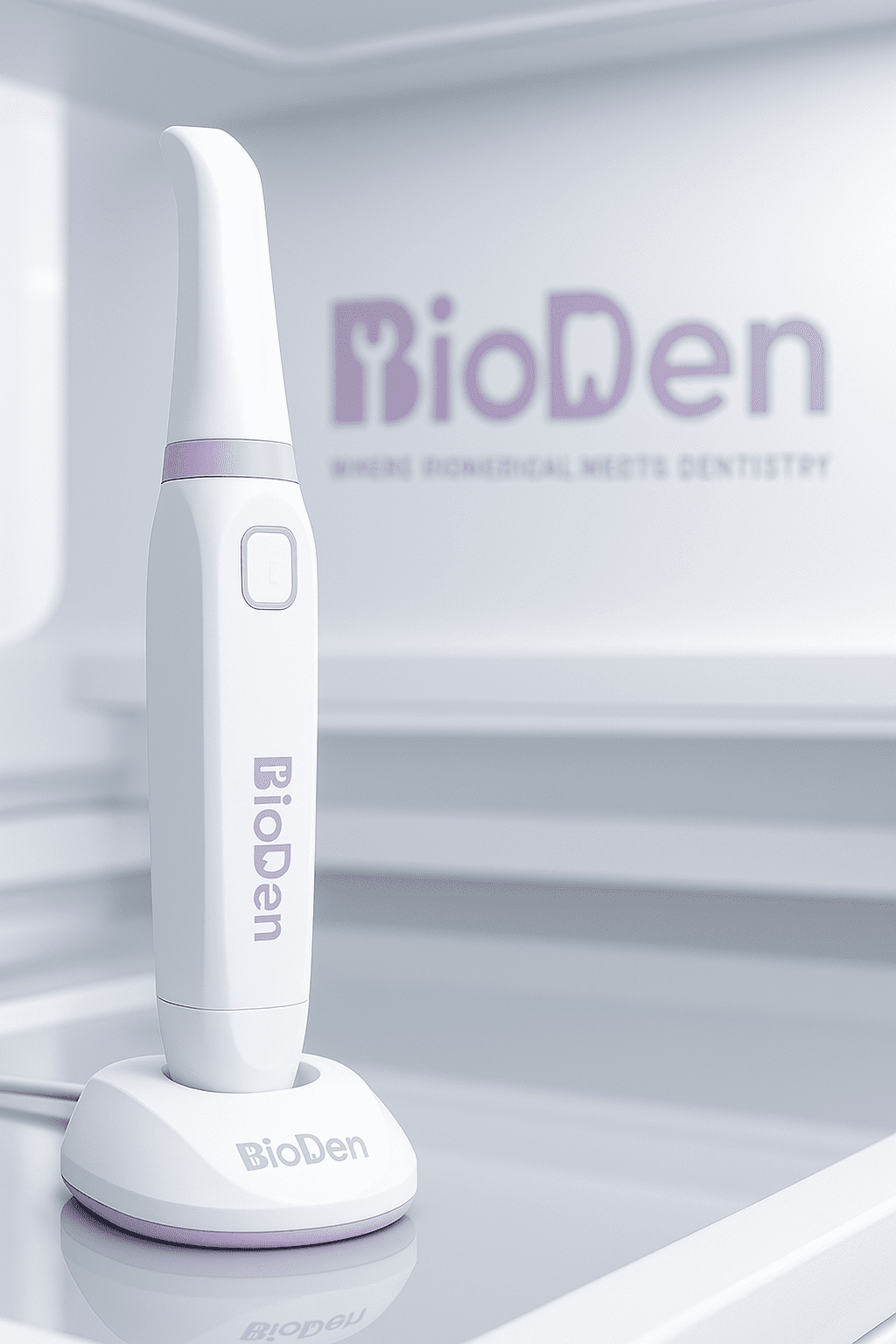
An intraoral digital scanner is a handheld device that captures highly accurate 3D images of a patient’s teeth and soft tissue using optical scanning technology. Instead of relying on physical impression materials, the clinician moves a small scanning wand inside the mouth while software builds a digital model in real time.
With an intraoral digital scanner, impressions are created instantly and displayed on a screen where they can be reviewed, rotated, and corrected on the spot. This eliminates many of the common issues associated with traditional impressions, such as distortion, bubbles, or incomplete margins.
Modern intraoral digital scanner systems are designed to integrate seamlessly with restorative, orthodontic, and implant workflows. Whether a clinic is working on crowns, bridges, aligners, or surgical planning, the intraoral digital scanner serves as a reliable digital foundation.
Accuracy and Precision: Getting It Right the First Time
Accuracy is one of the main reasons clinics adopt an intraoral digital scanner. Traditional impressions are vulnerable to small errors that can lead to poorly fitting restorations and time consuming remakes. Even minor distortions can result in extra chair time and lab adjustments . An intraoral digital scanner allows clinician to see every detail as the scan is being captured. Margins, preparation lines, and contact areas can be verified immediately. If something is missing, the area can be rescanned without starting over. This level of control is difficult to achieve with physical impressions.
In everyday practice, clinics using an intraoral digital scanner often experience fewer remakes and more predictable restorative outcomes. The result is a smoother workflow and higher confidence in the final restoration.
Better Patient Experience and Comfort
Patient comfort is another major advantage of the intraoral digital scanner. Many patients dislike traditional impression trays due to gag reflex, taste, and discomfort. Digital scanning removes these issues entirely.
With an intraoral digital scanner, patients simply sit comfortably while the clinician captures images using a small wand. The process is quicker, cleaner, and far less invasive. Patients often enjoy seeing a 3D image of their teeth appear on the screen, which turns the impression process into an engaging experience rather than an unpleasant one.
Clinics that use an intraoral digital scanner frequently report higher patient satisfaction and improved perception of care. When patients see advanced technology in use, it builds trust and reinforces the clinic’s commitment to modern dentistry.
Digital Records and Easier Collaboration
It also supports better record keeping and collaboration. Digital scans are stored electronically , eliminating the need for physical model storage. This reduces clutter and makes patient records easier to access and manage.
Sharing cases becomes much simpler with an intraoral digital scanner. Scans can be sent instantly to dental labs, specialists, or partners without shipping delays. This is especially valuable for clinics working with multiple labs or coordinating complex cases.
When clinics rely on an intraoral digital scanner, communication improves because everyone involved is working from the same accurate digital data. This reduces misunderstandings and speeds up case turnaround.
Supporting a Fully Digital Dental Ecosystem
The intraoral digital scanner is often the first step toward a fully digital clinic. Digital impressions integrate smoothly with CAD/CAM systems, CBCT imaging, and treatment planning software. This allows clinics to build efficient, connected workflows.
By using an intraoral digital scanner, clinics can combine scan data with imaging systems for implant planning, restorative design, and orthodontic simulations. Digital workflows reduce guesswork and improve clinical confidence.
Over time, the digital scanner becomes a central tool that supports multiple disciplines within the clinic, from restorative dentistry to orthodontics and surgery. Because an intraoral digital scanner is part of a broader digital ecosystem, clinics also rely on properly maintained imaging systems, delivery units, and supporting equipment. This is why having access to professional dental equipment repair in Vancouver plays an important role in ensuring long term reliability and consistent clinical performance across all technologies.
Embracing the Future with Confidence
The intraoral digital scanner is no longer a luxury reserved for large or hightech practices. It has become a practical standard for clinics that value accuracy, efficiency, and patient experience.
As dental technology continues to evolve, clinics that already use an intraoral digital scanner are better positioned to adopt future innovations. Digital impressions provide a strong foundation for ongoing improvements in care delivery.
At BioDen, we regularly see how clinics benefit when digital tools are implemented thoughtfully and supported by proper equipment maintenance. The intraoral digital scanner is most effective when it’s part of a reliable, well maintained clinical ecosystem.
Have questions about integrating an intraoral scanner into your clinic?
If you’d like to understand how digital scanners fit into your existing equipment setup, you can reach out to the BioDen team on WhatsApp for a quick, no pressure conversation.