
Home › Dental Equipment Repair in Vancouver › Dental Handpiece Repair in Vancouver
Dental Handpiece Maintenance and Repair in Vancouver
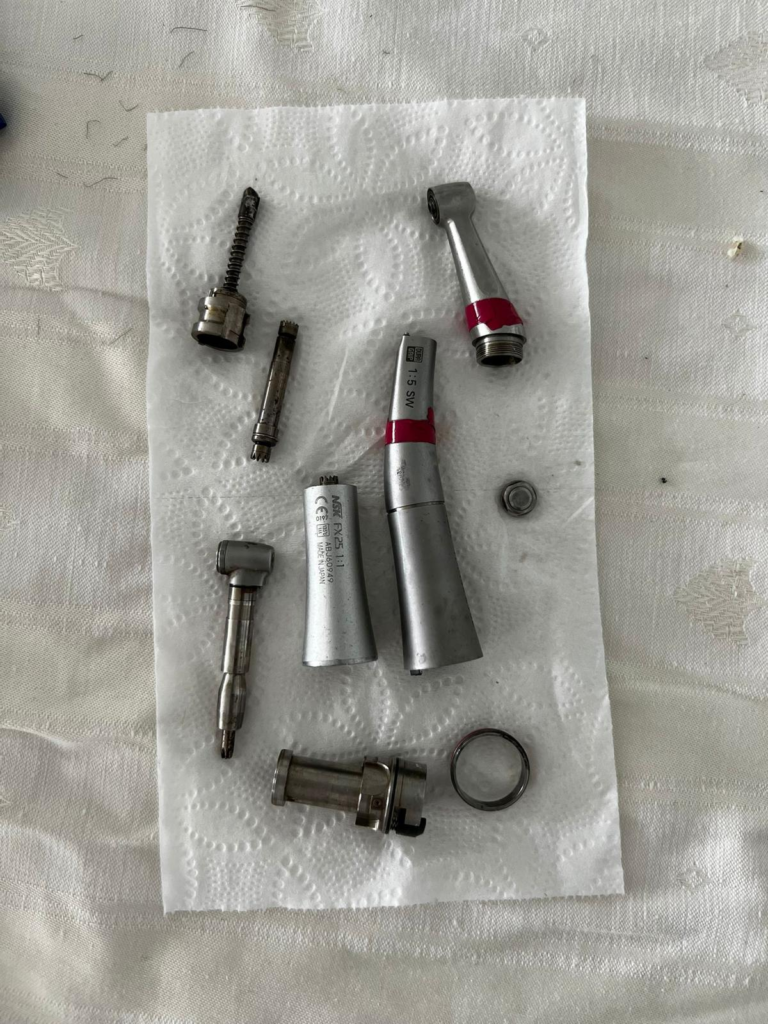
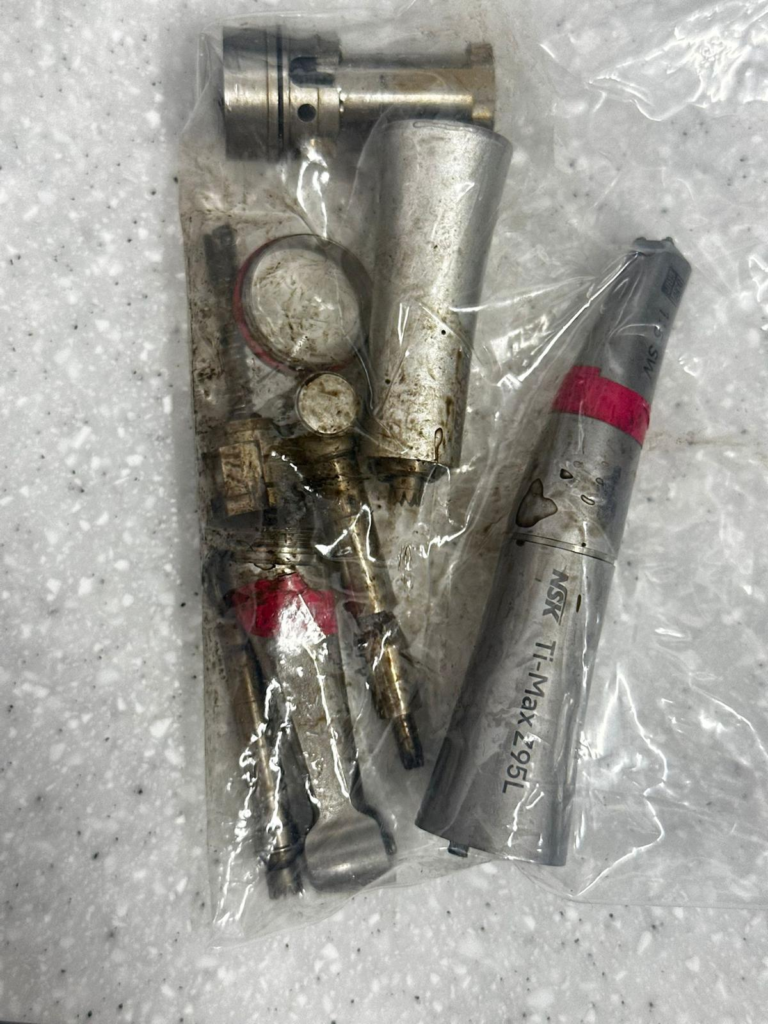
At BioDen Dental Services, we specialize in dental handpiece maintenance and repair in Vancouver for all major brands including NSK, Bien Air, Morita, and more.
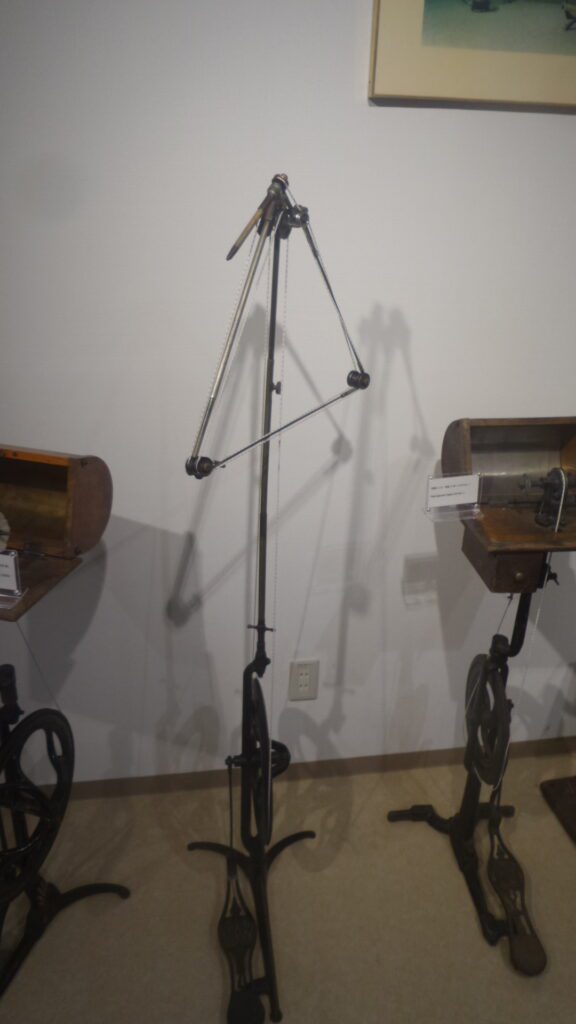
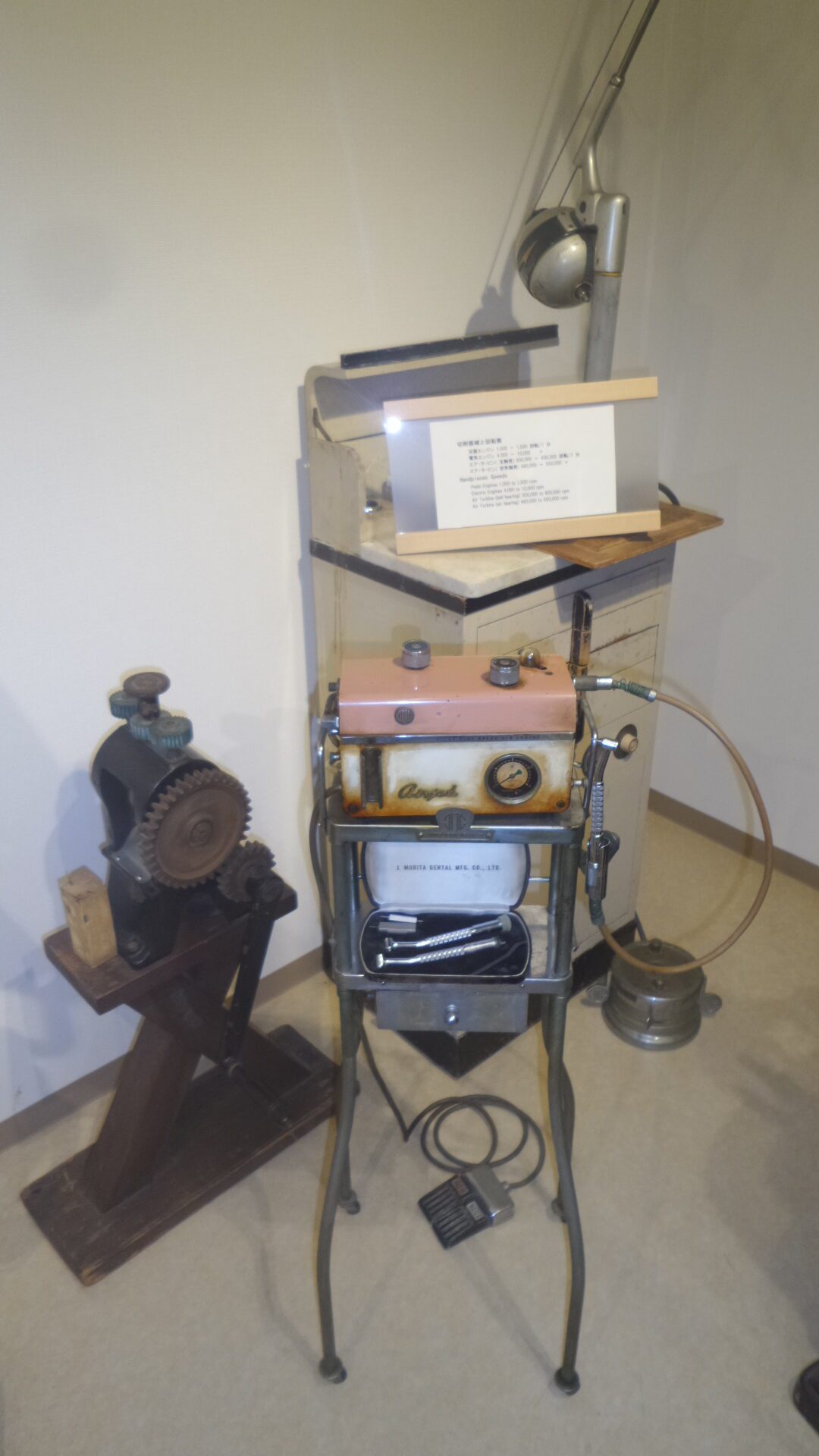
A Brief History:
Dental handpieces have come a long way since the late 1800s. From foot powered drills to today’s high speed air driven and electric models, modern handpieces like those from NSK, Bien Air, W&H, Morita, and Acteon deliver exceptional torque, speed, and precision but only with proper care. These tools are vital for procedures like cavity prep, crown cutting, and polishing, making their maintenance essential for safe, efficient dental practice. looking for Dental Handpiece Maintenance and Repair in Vancouver?
How to Maintain Your Handpiece Properly:
Routine handpiece maintenance prevents overheating, extends lifespan, and reduces the risk of cross contamination . Clinics that neglect regular cleaning and lubrication often face higher repair costs and performance issues. That’s where BioDen comes in with expert service and original parts for all major brands. At BioDen, we specialize in dental handpiece maintenance and repair in Vancouver . Our team services a wide range of leading brands, including NSK, Bien Air, W&H, Morita, Acteon, Garrison, Tokuyama, Shofu, and more. Looking for professional handpiece maintenance and repair in Vancouver?
Tips for Dental Handpiece Maintenance
6 Common Problems with Dental Handpieces
As a local provider of dental handpiece maintenance and repair in Vancouver, BioDen sees certain issues pop up time and again. Even top tier handpieces from KaVo, NSK, Dentsply Sirona, W&H, and other brands will eventually show signs of wear. Below we discuss six common handpiece problems what often causes them, why they’re risky, and when to get them checked all in plain language for any dental professional.
Loss of torque or power
A noticeable drop in cutting power is often the first red flag of handpiece trouble. Your once high speed drill might start to stall or struggle, indicating that its internal components are wearing out. In air driven high speed models, this typically points to turbine wear the small rotor blades and bearings can erode over time. With electric low speed handpieces, you might be looking at gear deterioration or a failing motor. The result is the same: the handpiece can’t sustain its usual RPMs. If you sense your handpiece bogging down under pressure, don’t ignore it. Continued use in this state can lead to complete failure (often at the worst time, mid-procedure). It’s wise to have a technician assess and likely replace the turbine or worn gears as soon as you notice the performance dip.
Air or water leaks
Hissing sounds, weak airflow, or water dribbling from the handpiece are telltale signs of leaks. Typically, these leaks come from worn out O-rings , loose couplings, or cracked tubing. For example, the O-ring seals in a KaVo MULTIflex or NSK coupling can flatten or crack after many sterilization cycles, allowing pressurized air to escape or water to seep out. In fact, some handpiece models are designed so that a tiny bit of air or leftover oil vents at the coupling on purpose but a constant audible hiss or visible water leak is not normal . Leaks not only reduce the handpiece’s performance (loss of pressure means loss of cutting power), but they also pose hygiene risks if water isn’t spraying where it should. If you notice a persistent leak, it’s time for service. A quick O-ring replacement or hose fix by our team can restore a proper seal before a small leak becomes a big problem.
Excessive noise or vibration
A healthy handpiece has a smooth, even sound. When it starts screaming or rattling in your hand, something is off . Excess noise or vibration usually means the handpiece’s precision balance has been disrupted often due to worn or damaged ball bearings. The high pitched “dentist drill” whine or a grinding feeling can happen in any brand; we’ve serviced noisy W&H, Sirona , and Bien Air handpieces alike. Those tiny bearings that let the turbine spin at 300,000+ RPM can wear out or get debris in them, leading to loud operation and even bur wobble. This isn’t just an annoyance a handpiece with bad bearings can vibrate excessively, potentially harming the prep or the patient’s comfort. It’s also at risk of sudden seizure if the bearings fail completely . If your handpiece’s sound has changed noticeably from a gentle hum to a loud rattle, have it looked at promptly. Replacing the bearings (or the turbine cartridge) will usually quiet things down and prevent collateral damage to other parts.
Overheating during procedures
If a handpiece feels hot not just warm, but uncomfortably hot during or after use, that’s a major warning sign. Overheating can literally burn your patient or your own fingers, and it almost always indicates an internal problem. A common culprit is friction from failing bearings or other moving parts. The same bearing wear that causes noise can also generate heat as metal rubs on metal . Lack of lubrication will worsen this, as dry parts create more friction (think of a car engine running without oil). Misuse can contribute too for instance, pressing the push button chuck release while the bur is still spinning can cause instant friction and heat buildup. Some handpieces will also overheat if they’ve been improperly sterilized (for example, certain models that aren’t fully autoclavable may get damaged and run hot ). No matter the cause, overheating is a sign to stop using the device immediately and seek service. In our experience, a thorough inspection often finds a worn bearing, clogged lubricant channel, or damaged component that we can replace. After repair and proper relubrication, the handpiece should run cool again protecting both you and your patient.
Chuck mechanism failure
The chuck is the mechanism that holds the bur securely in the handpiece, whether it’s a push button style or a manual twist chuck. When this mechanism starts failing, you’ll notice one of two things: either burs won’t stay tight (they slip during use), or you can’t remove the bur at all because it’s jammed. Neither scenario is good in the middle of a procedure. Chucks can fail due to simple wear andtear (springs and metal parts fatigued after thousands of bur changes) or due to debris buildup (sediment or rust jamming the parts). We see this issue across all brands a Dentsply Midwest handpiece may have its bur release stuck, or a KaVo highspeed might have a worn push button that no longer engages properly. User habits play a role too: if someone frequently presses the chuck release while the handpiece is still running, it can wear out the chuck or even warp it. A faulty chuck is a serious safety hazard, because a loose bur can actually fly out at high speed or a stuck bur can delay critical treatment. If you ever feel a bur chatter, wobble, or get locked in place, stop using that handpiece until the chuck mechanism is repaired or replaced. BioDen’s technicians can usually rebuild the chuck assembly or swap in a new one to ensure your burs click in firmly and release on command.
Lubrication system clogs
Modern handpieces depend on a fine network of channels to deliver oil and coolant where they’re needed. If those internal channels clog up, the handpiece can be starved of lubrication (or water) even if you’re doing routine maintenance. Clogs often come from mineral deposits ( if your water is hard), coagulated biological debris, or congealed oil that has hardened over time. In fact, using only an automatic lubrication machine without periodic manual checks can sometimes leave residue in the nooks and crannies one manufacturer notes that automatic systems may not fully clean internal components, potentially leading to clogs and even overheating if blood or debris remains. When lubrication cant reach the bearings or gears, those parts run dry and create excess friction, heat, and wear. Similarly, a clogged water spray line means less cooling of the bur, which can make the handpiece (and the tooth being worked on) run hotter. The best prevention is regular thorough maintenance: cleaning out spray channels, replacing water filters, and using the correct lubricant as directed. However, if you find that your handpiece is properly oiled but still running loud or hot, a hidden clog might be to blame. That’s a good reason to send it in for professional cleaning and overhaul. We can disassemble the handpiece, ultrasonic clean or replace tiny filters and O-rings, and get those lubricant pathways clear again.
If you notice any of these symptoms, it’s best to have your handpiece inspected before a small problem turns into a costly failure.
Expert Dental Handpiece Maintenance and Repair in Vancouver Trusted by Leading Brands




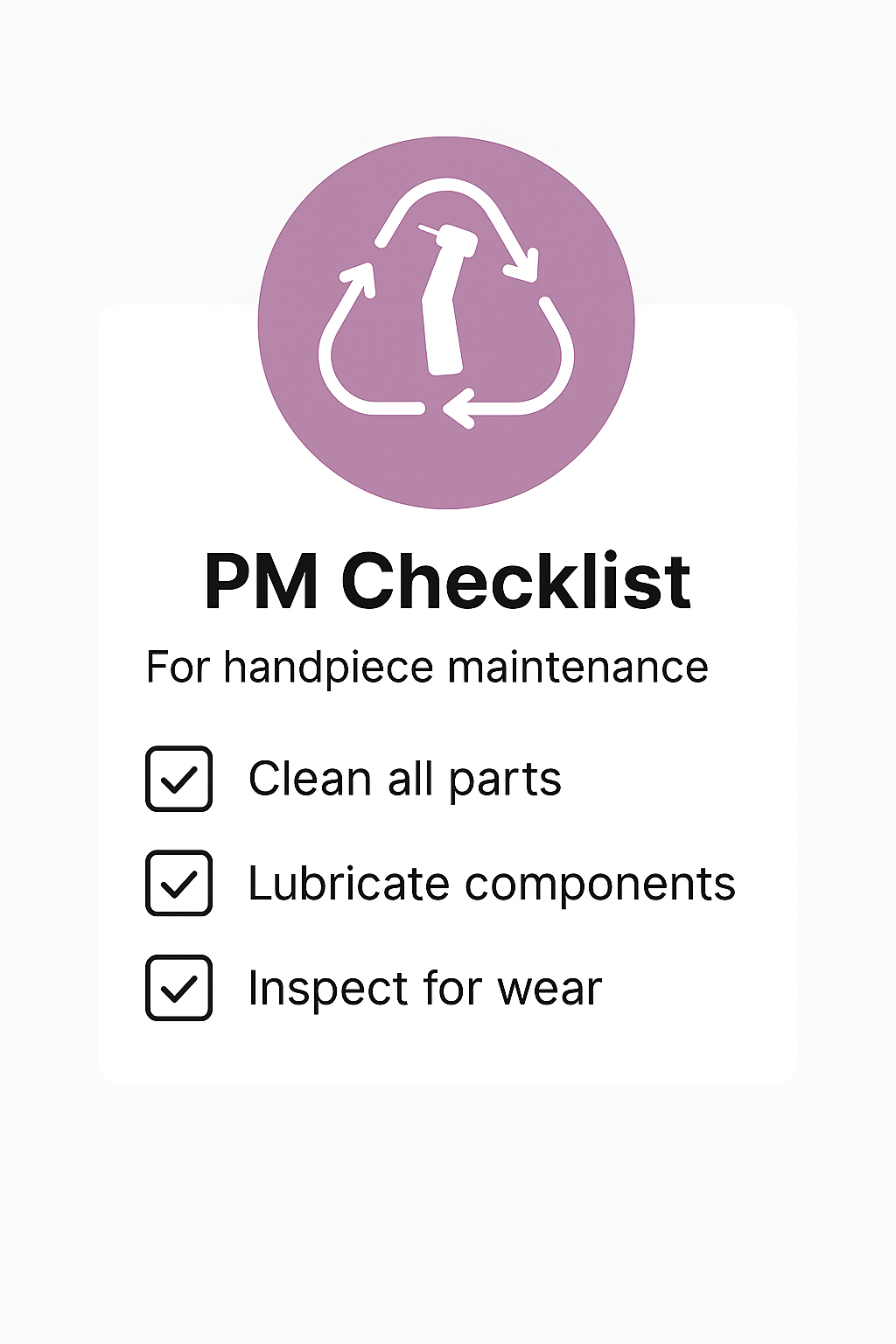
Clean after every use
Rinse the exterior under running water and clean the bur insertion area using a soft brush and alcohol. Avoid using corrosive solutions.
Lubricate properly
Always use manufacturer approved sprays to ensure smooth performance and prevent overheating.
Sterilize safely
Autoclave at 132–135°C using approved pouches. Allow full drying before storage
You can always count on us for reliable dental handpiece maintenance and repair in Vancouver
Replace worn parts
Change turbine cartridges, O rings, and antiretraction valves as needed. Worn components can cause failure or risk infection.
Check before use
Listen for unusual noises, check for vibration or overheating, and inspect for proper light function if applicable.
Handle burs correctly
Only use ISO certified, undamaged burs. Always insert fully to avoid chuck failure or accidents.
Why Choose BioDen?
At BioDen, we not only repair but also help you prevent downtime by offering timely diagnostics, OEM parts, and highly trained technicians. Our team follows strict sterilization and lubrication protocol, ensuring your equipment is safe, reliable, and compliant with all standards.
Need Handpiece Maintenance and Repair in Vancouver?
Whether you’re dealing with loss of power, poor spray, overheating, or just want to ensure longevity BioDen is your trusted partner for dental handpiece maintenance and repair in Vancouver. Contact us today to schedule a service or learn more about our repair programs.

ready to keep your Clinic running? contact us for Fast Dental Equipment Repair Vancouver
At Bioden, we provide expert dental equipment repair and maintenance services in Vancouver and across British Columbia. Our team handles everything from handpiece and dental chair repairs to X-ray unit maintenance and more. Trusted by clinics across the region, we’re committed to fast, reliable, and professional support for all your dental equipment needs.